



Owing to a number of regional and global roles held within different companies in the late ‘90s, Caroline Buhagiar Klass, Head of Human Resources and Corporate Sustainability at HSBC Malta, admits that remote working is not new to her.
However, when the pandemic hit the island in early 2020, forcing many to adopt remote working measures in a hurry, she acknowledges that “this was quite a big change locally, even to a certain extent, within HSBC, even though we enjoy a lot of flexibility.”

At the height of the pandemic, Ms Buhagiar Klass reveals, speaking as an HR professional within a recent web series organised by the Malta Business Bureau, that HSBC had close to 80 per cent of its employees working from home, which brought about advantages and challenges alike.
“One has to look at remote working from the wellbeing perspective of our employees,” she explains, noting that moving forward, going into “complete remote working mode” can “lead to isolation and even kill creativity to a certain degree.”
Now that many have made a return to the office – in whatever form their business has chosen, the Head of HR believes that this has shown that “people look forward to going to the office to network, communicate, collaborate and so on – at the same time, people also need to manage a work-life balance.”
“We need to strike a balance,” she continues, affirming that at HSBC, at a global level, the company has launched several policies relating to remote work. “There are also roles that we have to acknowledge, such as client-facing roles, which cannot be done remotely,” Ms Buhagiar Klass points out.
As Head of Corporate Sustainability, she also points to the sustainability side of the remote working debate, arguing that “we have to look at what we gained during the height of the pandemic – relating to congestion, pollution and CO2 emissions – that we should not lose sight of. We should not allow ourselves to go back to where we were from an environmental side, because it would be wrong and short-sighted. Malta is very small – we need to protect it and make it sustainable – even for future generations – and we, as Heads of HR, who define policies of how our people will be working both now and in the future, will play a major role in that.”
And while embracing remote working for a longer period of time can be challenging, she asserts that education is key to achieving success.
“Line managers are key here, because they need to be role models,” she notes, adding that offering employees flexibility within the safety parameters is also important. “There needs to be a lot of communication with everyone about what works for them – you can’t have a solution that fits everyone, so you have to be flexible. If the work gets done in the right way, why should we put so many constrains to it? It hinges on performance. The commitment you get from people when they see you meeting them halfway is visible,” she affirms.
St James Hospital CEO calls for introduction of tax subsidies for people who buy health insurance
It would encourage more people to take up private cover, which in turn would reduce pressure on state hospitals, he ...
Legal certainty and targeted AI incentives among business priorities for Budget 2027
Andreas Ditsche and Jordan Bonello Gauci speak with MaltaCEOs.mt ahead of Monday's budget.
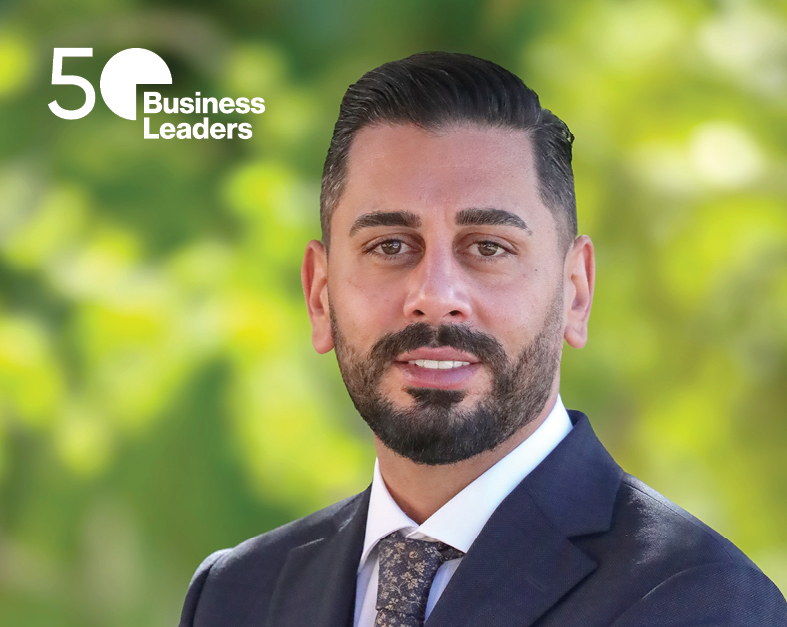
‘Growth comes from being willing to take calculated risks’
Darren Ciantar, founder and CEO of Ciantar Group, traces the ambitions, opportunities and uncertainties that have helped shape the enterprise.
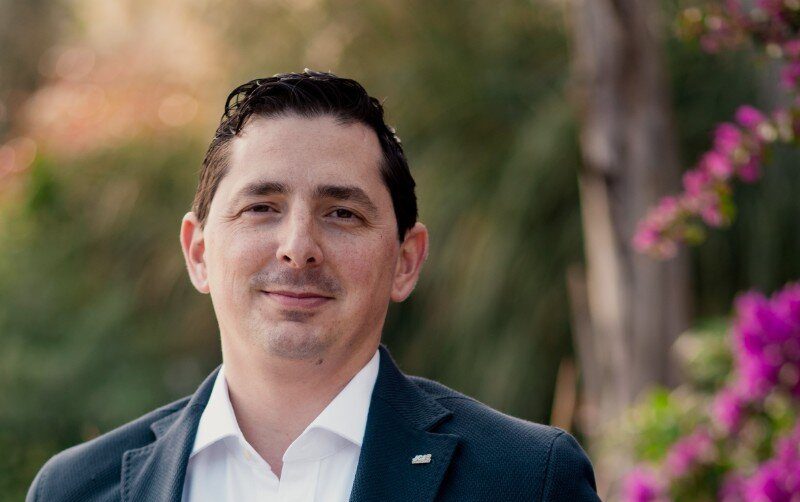
‘Invest in young people, not just one-off measures’ – JA Malta CEO on Budget 2027
Matthew Caruana calls for financial literacy in schools, a national entrepreneurship education policy and greater support for small businesses and ...
