

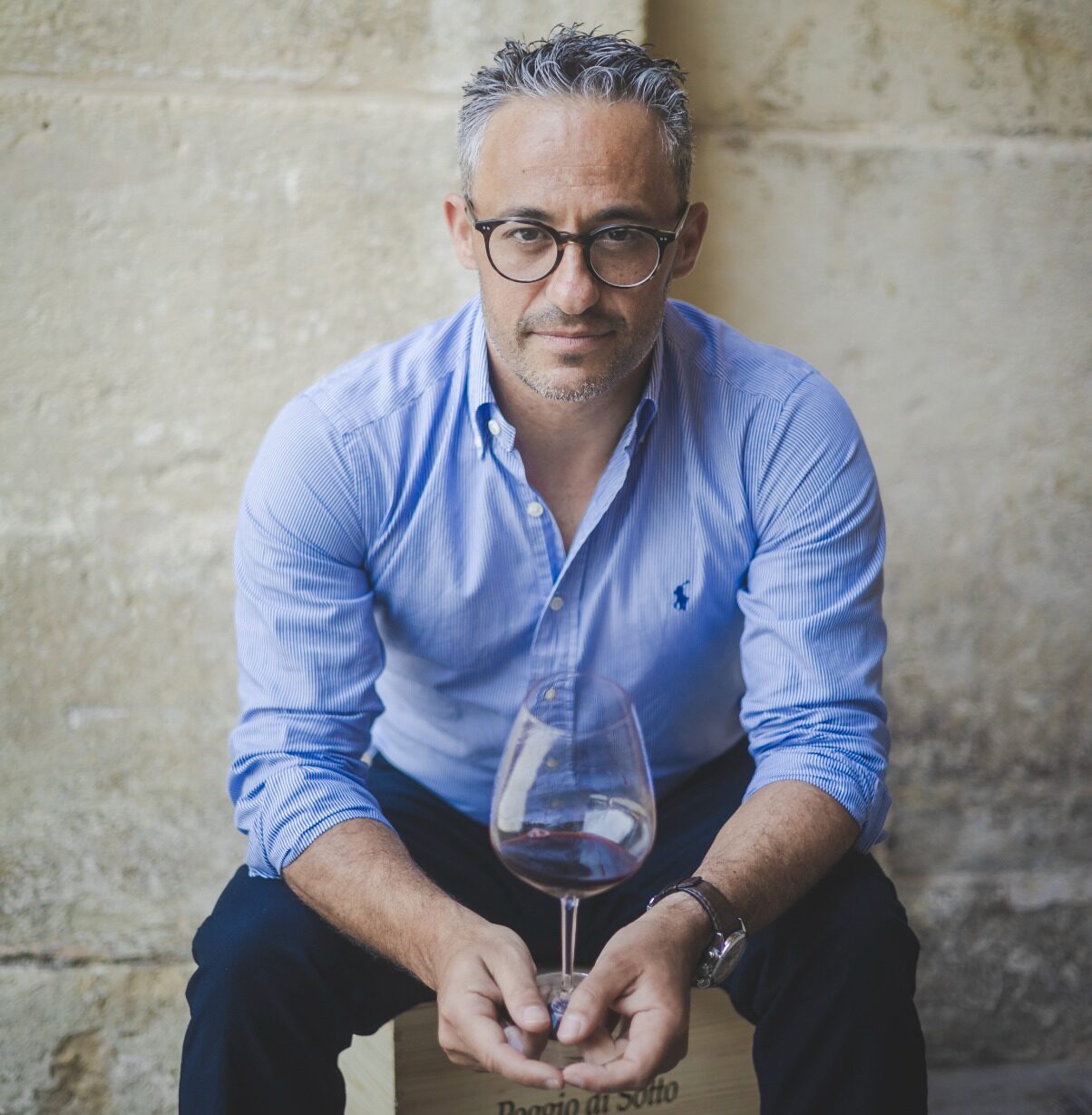

January is the month when the world-of-wine panics. Sales slow, restaurants take a break, and that silly invention known as ‘dry January’ takes all the blame.
True, people are drinking less wine. Volume is indeed declining, but quality is increasing.
Globally, wine consumption in 2023 fell to its lowest level since the 1990s, with major markets from the USA, France, Italy, and China all reporting year-on-year drops and Malta is no different. Cheap, commercial wines are taking the hardest hit. Meanwhile, at the premium end, where the bottles that carry stories, terroir, and age-worthiness, they are holding up remarkably well. Wines priced roughly above €15 have seen far smaller declines, with market analysts expecting them to even rise in value.
In a nutshell, people are drinking less cheap wine but better-quality wine. Overall, consumption may fall, but the value of wines sold remains stable, mainly due to the stability of premium quality wines (Wine-intelligence.com)
Unsurprisingly, January reveals a surge in curiosity about wine. Wine courses are filling up. Corporate tastings framed around learning rather than indulgence are thriving, even though consumption slows. People who might enjoy only a glass or two are investing hours trying to understand why one wine delights and another disappoints.
The line I hear most is refreshingly honest: “I’m no sommelier, I just know what I like.”
And that’s exactly the point. People aren’t chasing terroir terminology or wine-jargon. They want enough understanding to trust their own palate. Wine rewards that curiosity, because once you stop guessing, the experience becomes so much more enjoyable.
Wine has a reputation for being intimidating, and understandably so. Some labels read like legal documents, whilst others give no information whatsoever. Vintage, winemaking choices, pricing, and mythology all add layers to the complexity. Beer and whisky don’t have this problem because they are wonderfully straightforward. Wine isn’t complicated to keep people out or because it’s elitist, but because it’s grown, not manufactured, and nature isn’t a fan of consistency. So, while it’s made from grapes, there are thousands of varieties, each with its own flavours, textures, and strength, making every bottle subtly different.
Yet this complexity is exactly what draws people in. When people are buying less quantity, at higher prices, guessing feels lazy or even downright risky. Understanding becomes part of the pleasure, and this is the point. A basic grasp of grape varieties, regions, or production methods can multiply enjoyment tenfold. Drinking becomes pleasurable rather than just for the sake of it. You slow down, pay attention, and enjoy it more. Food tastes better, conversations linger, and for a moment, the pace drops. In a world that moves too fast, wine has a way of making you stop, think and enjoy.
This also explains why sales figures alone are misleading. The market can shrink in liters and grow in sophistication at the same time. Fewer bottles sold does not equal less engagement. it actually means more care, attention and thought.
Premium wine isn’t about shifting boxes. It’s about helping people choose with confidence. It’s about giving people a sense of what they’re holding in their glass. When it makes sense to them, they’ll enjoy it more.
There is one small warning, however - once you drink really good quality wine, there’s no going back. Not because the rest is undrinkable, but because you start noticing things that you overlooked previously. The balance, the texture, the finish. You’re suddenly smelling the glass long after you’ve finished drinking the wine, because even the smell gives you joy.
You understand why one bottle costs €15 and another €60. After that, ordinary drinking feels… well, ordinary.
January may seem slow, but wine is alive in a new way. Fewer bottles are opened, but each one is savoured. Drinking has never been more enjoyable.


‘Growth comes from being willing to take calculated risks’
Darren Ciantar, founder and CEO of Ciantar Group, traces the ambitions, opportunities and uncertainties that have helped shape the enterprise.

St James Hospital CEO calls for introduction of tax subsidies for people who buy health insurance
It would encourage more people to take up private cover, which in turn would reduce pressure on state hospitals, he ...

Legal certainty and targeted AI incentives among business priorities for Budget 2027
Andreas Ditsche and Jordan Bonello Gauci speak with MaltaCEOs.mt ahead of Monday's budget.

‘Invest in young people, not just one-off measures’ – JA Malta CEO on Budget 2027
Matthew Caruana calls for financial literacy in schools, a national entrepreneurship education policy and greater support for small businesses and ...
