



Marketing campaigns are often judged by their final output – the polished visuals, the catchy tagline, the measurable results. Yet behind many of the most memorable campaigns lies a less visible reality: unpredictability, rapid pivots, and a willingness to embrace the unexpected.
Two Malta-based marketing professionals – Peter-Jan Grech, CEO and Founder of BRND WGN, and Luke Pavia Aloisio, Marketing Executive at SANCHO – offer insight to MaltaCEOs.mt into campaigns that stood out not just for their creativity, but for the challenges and lessons they brought with them.
When life stings
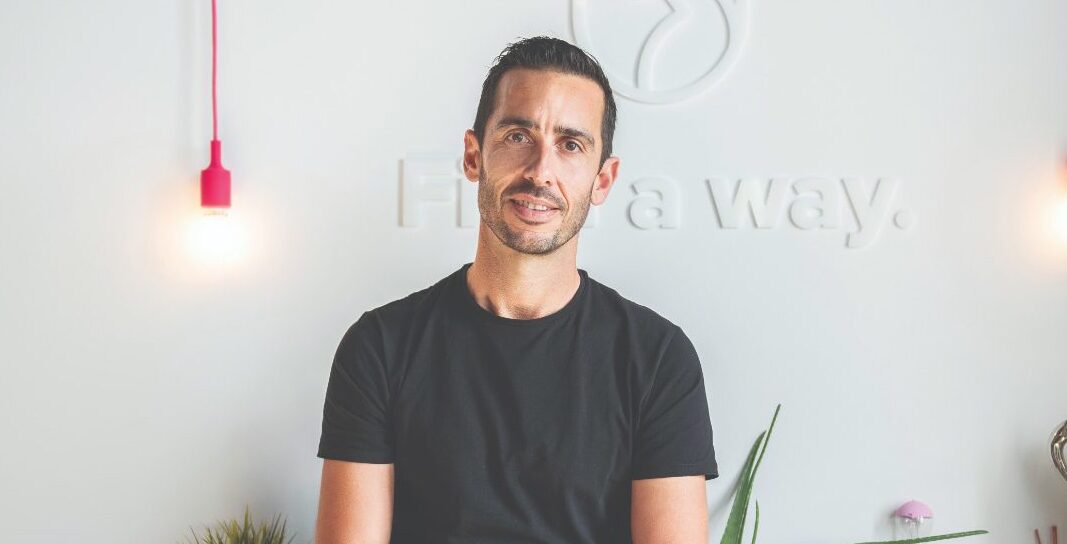
For Mr Grech, one of the most unconventional campaigns he worked on centred around a 2023 brand collaboration between Atlas Insurance and endurance swimmer Neil Agius.
The campaign had been carefully structured in two phases, aligned with Mr Agius’ ambitious 100-mile swim from Mallorca to Ibiza. “Phase one focused on the importance of having a strong support system,”
Mr Grech explains, “while phase two was meant to celebrate the achievement – showing how the right team helps you overcome the insurmountable.”
However, reality intervened. Mr Agius was forced to abandon the swim after encountering a swarm of jellyfish just hours into the challenge.
“The problem is phase two never happened,” Mr Grech notes. What followed was a critical moment for the team: whether to salvage the campaign quietly or confront the situation head-on.
Instead, they chose the latter. The revised campaign carried the headline: “When life stings, it’s who stands behind you that really counts.”
“At first, we wondered if Neil would be offended or if the client would find it too direct,” he admits. “But both Neil and the team at Atlas recognised it captured an authentic sentiment.”
The result was a campaign that resonated precisely because it acknowledged failure rather than avoiding it. As Mr Grech puts it, “The best advertising works when it addresses what people are thinking but won’t say.”
While Mr Grech’s experience highlights the importance of adaptability, Mr Pavia Aloisio points to the role of relatability and cultural relevance in shaping successful campaigns.

Reflecting on a recent Bank of Valletta motor loans campaign, he explains how the team leaned into a viral social media trend to connect with audiences across demographics.
“We wanted to create something fun and relatable,” he says, referencing the use of the “Can we skip to the good part?” trend. The campaign featured recognisable Maltese personalities, including Eileen Montesin and Matthew Bonello, each portraying distinct characters designed to reflect everyday frustrations.
“One was the nosey neighbour who always shows up when things go wrong, and the other a young man who just can’t catch a break,” he explains.
However, translating a simple concept into an effective campaign required precision. “There were a lot of moving pieces, from wardrobe and props to the exact setups needed to bring the characters to life.”
Planning versus improvisation
Despite the contrasting nature of the two campaigns – one shaped by disruption, the other by careful execution – both professionals highlight a common thread: the balance between planning and flexibility.
For Mr Grech, the key takeaway lies in adaptability. “When things don’t go according to plan, it’s easy to think it’s game over,” he says. “But often, those moments are where growth happens and brilliance has the chance to emerge.”
For Mr Pavia Aloisio, the lesson is rooted in preparation. “Plan, plan, and plan again,” he emphasises. “It might sound obvious, but it’s the small details – the angles, the sequence of shots, even background elements – that make the difference.”
Together, the two perspectives underline a broader reality in marketing leadership: success rarely follows a linear path.
Whether navigating unexpected setbacks or executing complex, multi-layered campaigns, the ability to combine strategic planning with creative agility remains critical.
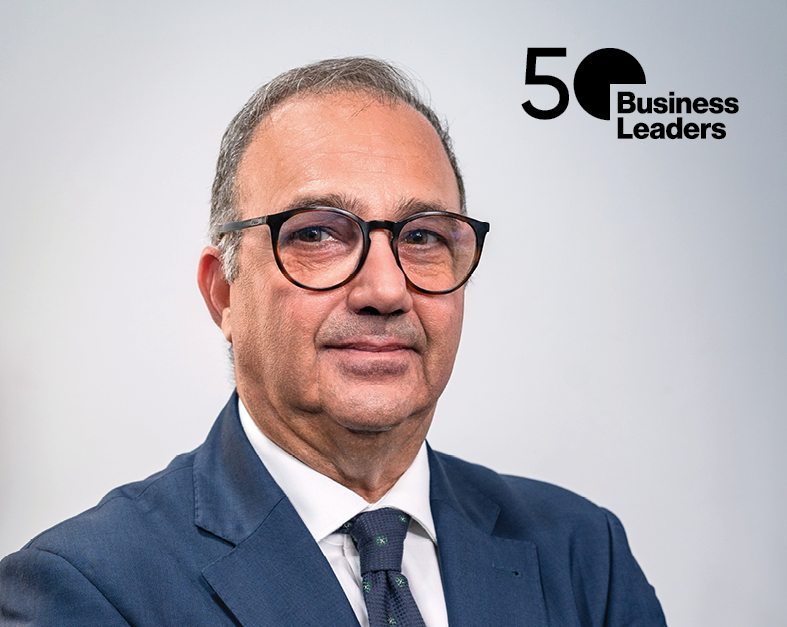


The Convenience Shop appoints Martin Brant as Chief Operations Officer
Martin Brant joined in July 2026 as Senior Operations Manager, overseeing an estate of more than 100 stores.
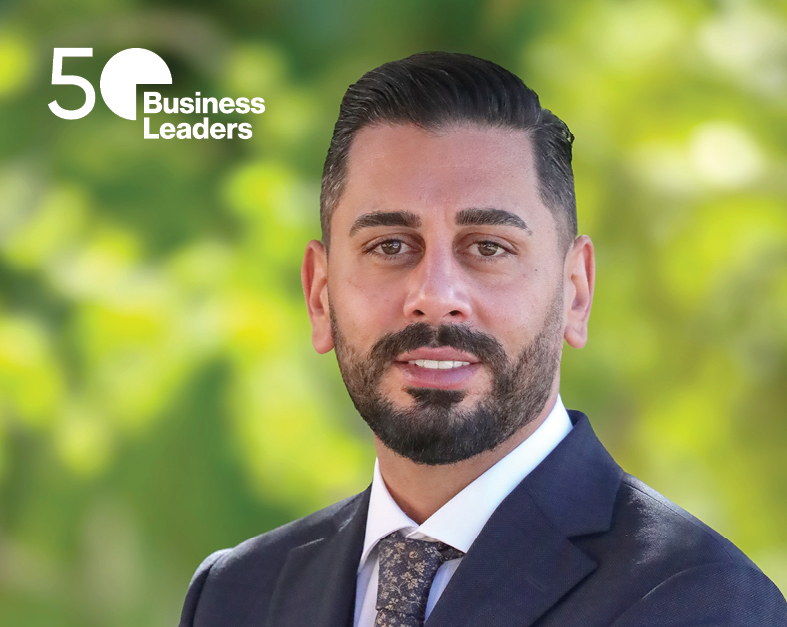
‘Growth comes from being willing to take calculated risks’
Darren Ciantar, founder and CEO of Ciantar Group, traces the ambitions, opportunities and uncertainties that have helped shape the enterprise.

Saint James Hospital CEO calls for introduction of tax subsidies for people who buy health insurance
It would encourage more people to take up private cover, which in turn would reduce pressure on state hospitals, he ...

Legal certainty and targeted AI incentives among business priorities for Budget 2027
Andreas Ditsche and Jordan Bonello Gauci speak with MaltaCEOs.mt ahead of Monday's budget.
