


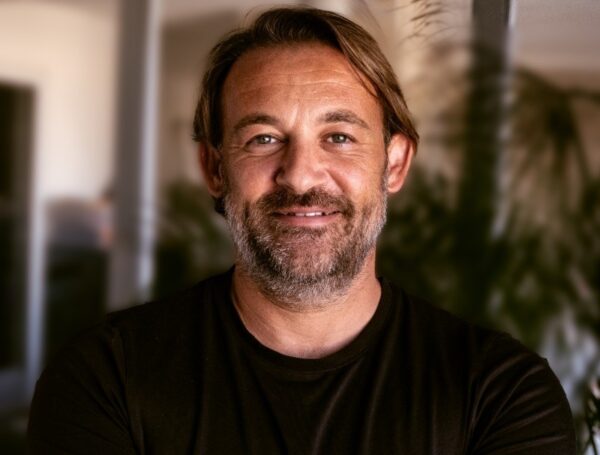
2025 forced leaders into unfamiliar territory. Markets moved unpredictably, technology advanced faster than governance, and organisations were asked to change while still delivering results. The challenge was not simply strategic. It was psychological. Those who performed best did so by managing uncertainty without losing their teams. Looking ahead to 2026, empathy is no longer a soft skill. It is becoming central to effective leadership, says Simon Azzopardi.
The investor and tech entrepreneur describes 2025 as chaotic, shaped by “oversized personalities, tariff economics making a comeback, currencies swinging, capital quietly leaving London, and AI as a constant existential threat.” Despite that, many of the businesses he was involved in delivered record or near-record performance.
The cost was internal. “It was one of the most mentally demanding years I can remember,” he said. Decision-making became uniquely difficult because leaders were asked to commit capital and invest in technology while knowing that “the rules and goalposts were still shifting across many dimensions.” There was no settled playbook.
As a result, organisations learned to operate with two opposing instincts at once. On one side, discipline intensified. “Cost structures were examined line by line. Teams had to do more with less.” On the other, investment continued, particularly in AI and automation. In some cases, Mr Azzopardi said, initiatives were funded “knowing the return would be indirect or delayed, because the alternative of standing still was the bigger risk.” The analysis was not so much about optimisation. It was about survival.
That mindset is now shaping expectations for 2026. Mr Azzopardi believes most companies have moved beyond experimentation. “They already have concrete plans in place and investment lined up,” he said.
What follows will be deeper change. Teams will be smaller. Roles will shift. Employees will need to be more informed, while strong teams will gain greater leverage. For leaders, the challenge will be human as much as technical. “The leaders who succeed will be the ones who are informed, stay level-headed and bring their teams along with clarity and empathy.”
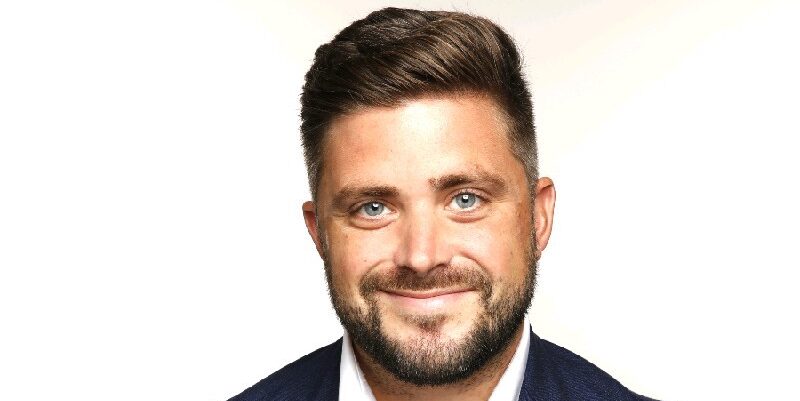
‘A real honour’ – Co-Founder of Bracket on securing Malta Venture Capital fund investment
The company has recently raised $7 million in seed funding.

Sean Gravina calls for ‘breathing space’ for Malta’s catering industry
His words come at a time where the industry is facing rising costs and tax concerns.
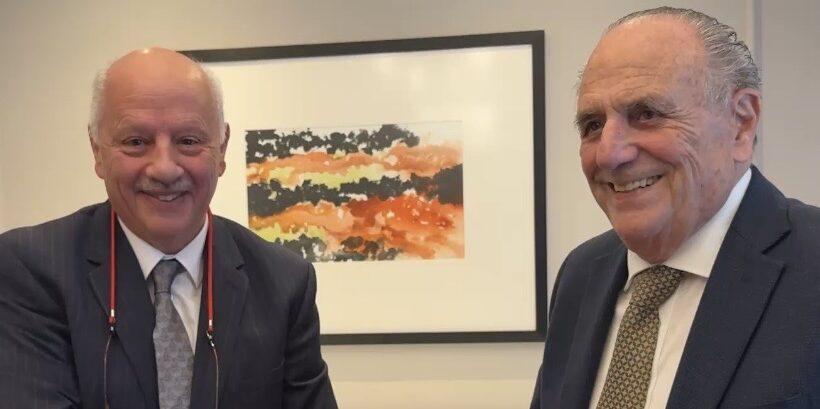
Corinthia and University of Malta launch Alfred Pisani PhD Scholarship
It aims to advance sustainable tourism research.
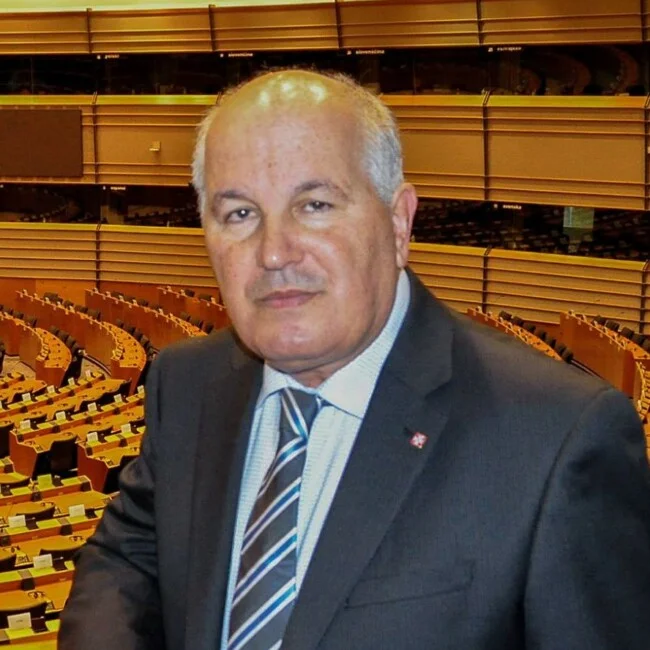
Gozo’s tourism success must not come at the cost of its identity, GTA Chairman warns
The Chairman acknowledged the positive performance achieved in 2025 but stressed that growth must be balanced with preservation.
