


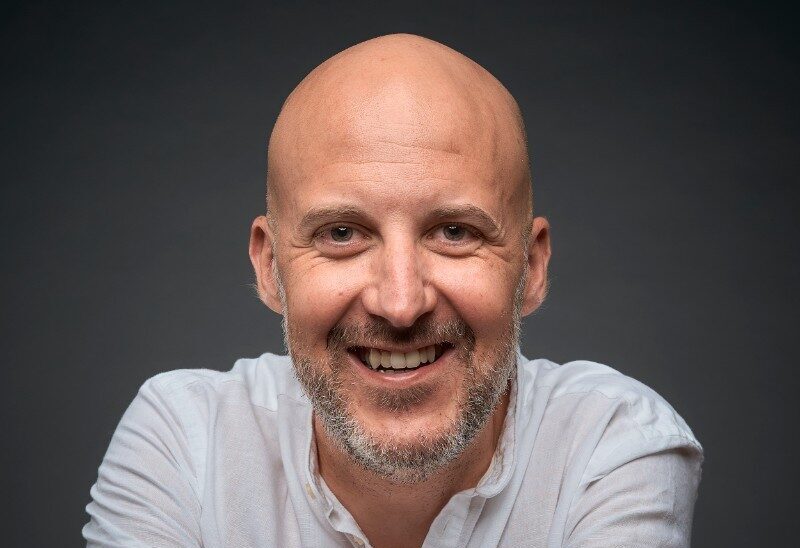
Richard Muscat Azzopardi, CEO at Switch, isn’t afraid of change – but he is deeply wary of what happens when businesses resist it.
In a candid and reflective post on LinkedIn, Mr Muscat Azzopardi explored the danger of stagnation, both at an individual and corporate level. Citing Bob Dylan’s lyric “He ain’t busy being born is busy dying,” the CEO warned that the failure to continually reinvent oneself or one’s business could lead to irrelevance.
“We start dying the minute we stop reinventing ourselves,” he said. “Or you can soften it down a bit and say that you start dying the minute you stop learning.”
But Mr Muscat Azzopardi admits that doing so is not always easy – especially in a business environment that often rewards consistency over curiosity.
He points to a particular phrase that tends to raise alarm bells: “We’ve always done it this way.” For him, this represents a refusal to adapt, and perhaps worse, an aversion to growth. “If you’ve always done it this way, it must be time to try something new,” he wrote. “Always is a very long time.”
While the idea of changing course can be intimidating, he notes that clinging to outdated processes – simply for the sake of comfort – can lead to a slow demise. “Companies that cling to ‘we’ve always done it this way’ are choosing a slow death over uncomfortable growth,” he warned.
Change, of course, comes with risks. Not every innovation leads to success, and Mr Muscat Azzopardi is quick to acknowledge this. “Yeah, change can be expensive and risky. We’ve all lost money and time on experiments that didn’t work.” But he believes these failures are far more instructive than years spent avoiding risk. “Those failures teach us more than years of playing it safe ever could,” he said.
Importantly, he also recognises that not every experiment results in a permanent shift. Sometimes, teams return to their old ways – but the journey still matters. “Sometimes you might even have to return to what you were doing earlier,” he wrote, conceding that “this sucks for our egos,” but stressing the importance of doing so with new insights and fewer regrets. The real tragedy, he implied, lies in never asking the question: “What if I had tried something different?”
Ultimately, the question for leaders and business owners is not whether trying something new will bring failure. It’s whether refusing to try at all will render them obsolete.
“And that,” Mr Muscat Azzopardi concluded, “scares the hell out of me.”

The Convenience Shop appoints Martin Brant as Chief Operations Officer
Martin Brant joined in July 2026 as Senior Operations Manager, overseeing an estate of more than 100 stores.
‘Growth comes from being willing to take calculated risks’
Darren Ciantar, founder and CEO of Ciantar Group, traces the ambitions, opportunities and uncertainties that have helped shape the enterprise.

Saint James Hospital CEO calls for introduction of tax subsidies for people who buy health insurance
It would encourage more people to take up private cover, which in turn would reduce pressure on state hospitals, he ...

Legal certainty and targeted AI incentives among business priorities for Budget 2027
Andreas Ditsche and Jordan Bonello Gauci speak with MaltaCEOs.mt ahead of Monday's budget.
