


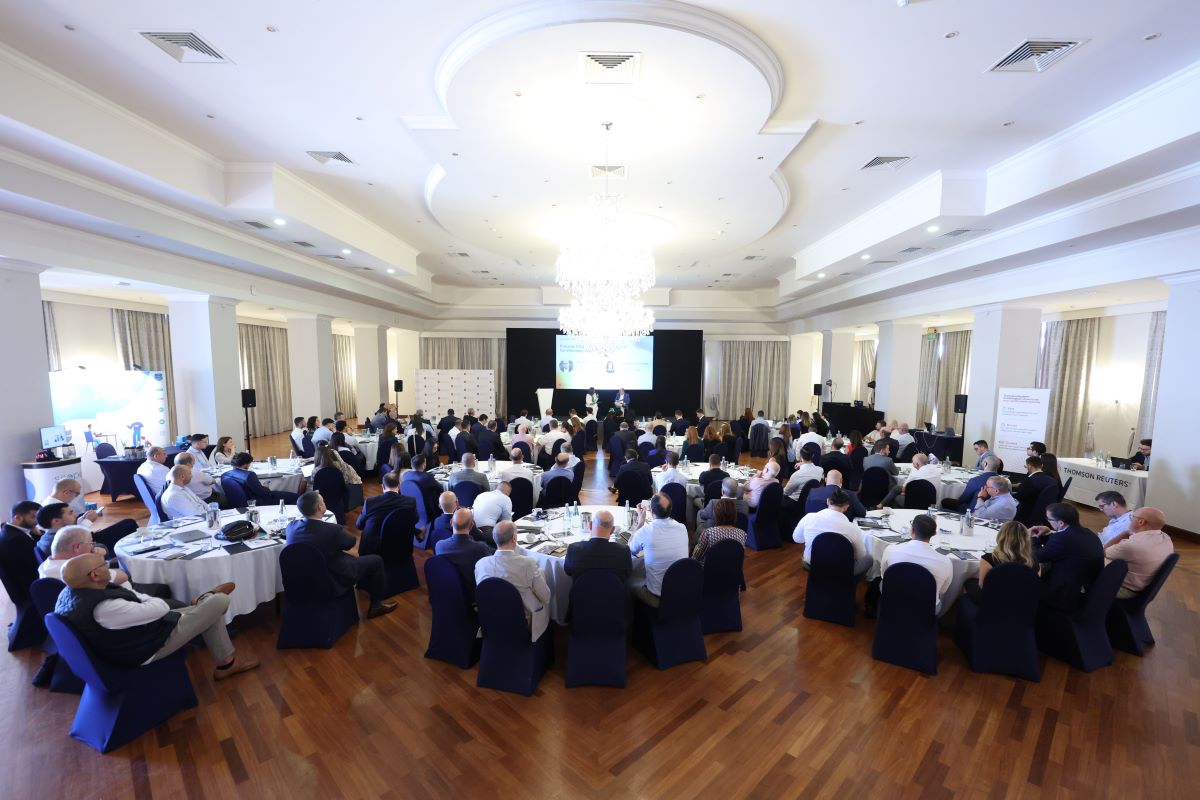
A conference organised by The Malta Institute of Accountants (MIA) highlighted the central role taken by the accountancy and auditing profession in achieving Malta’s net zero targets and facilitating the transition towards a more sustainable economy.
Mark Anthony Bugeja, MIA President, described the cultural shift which is transforming the global economy: “Employees, investors, customers have changed the way they go about many aspects of their life. A significant shift has taken place in the way people look at the corporate world, what they expect from it, the standards they expect it to follow”.
In this context, he added, the accountancy professional takes a central role in leading this transformation through advice and effective reporting.
This reality is backed by an ever-growing realisation by stakeholders that companies do not operate in isolation but are part of a dynamic ecosystem where their actions impact the planet and people.
The conference, targeted at small and medium-sized practitioners, also delved into the way this enhanced role puts further pressure on the availability of human resources.
MIA CEO Maria Cauchi Delia shared the Institute’s proactivity in enhancing the country’s ability to attract increasing numbers of accountancy and auditing professionals.
She said that the Institute has shared various proposals with authorities in terms of facilitating the recruitment and retention of third country nationals while investing further in its #AccountsForYou campaign to reach out to the younger generation and help develop keener interest in the industry and this profession.
Ms Cauchi Delia also gave details of the constant exchanges with authorities and regulators, through which the Institute puts forward necessary recommendations and shares feedback on proposed regulatory developments in the interest of the profession and beyond.
The conference also covered the latest developments in banking and in the realm of tax, with discussions focusing on elements such as corporate tax reform, Pillar II, transfer pricing and succession planning with its fiscal implications.
In this context, tax experts noted the deferment of any major changes to corporate tax for a further six-year period but insisted on the need to strengthen further the financial jurisdiction to ensure its competitiveness in the year ahead, anticipating the inevitable fiscal reform.
In consideration of the increasing role played by voluntary organisations as a social backbone to communities, the event featured a fireside chat with Mr Jesmond Saliba, the Commissioner for Voluntary Organisations (VOs), who shared insights associated with the wide-ranging reform in the sector.
The Institute provided extensive feedback relating to reform of this sector, re-iterating its calls for a level playing field in terms of expectations associated with financial reporting.
The conference was hosted with the organisational backing of the MIA’s Small and Medium Practices Group and was supported by Thomson Reuters and Scope Solutions.


Two masterpieces, one remarkable instrument
Michael Pantalleresco explores the poetry, passion and brilliance of the clarinet in works by Mozart and Weber.
‘A setting we couldn’t be prouder of’: db CEO on Hard Rock Hotel’s new rooftop restaurant
Cyana’s head chef is Spiros Tzilis, a Greek chef who has worked at Michelin-starred restaurants.
‘AI might be faster and cheaper, but at what cost?’ – Aramis Capital MD
He warns that businesses risk sacrificing service quality, human judgement and accountability in their pursuit of greater efficiency through artificial ...
‘We’re already late’: Employers chief calls for cross-party mass transport agreement
Through cross-party agreement, the solution will endure beyond individual legislatures, he explains.
