



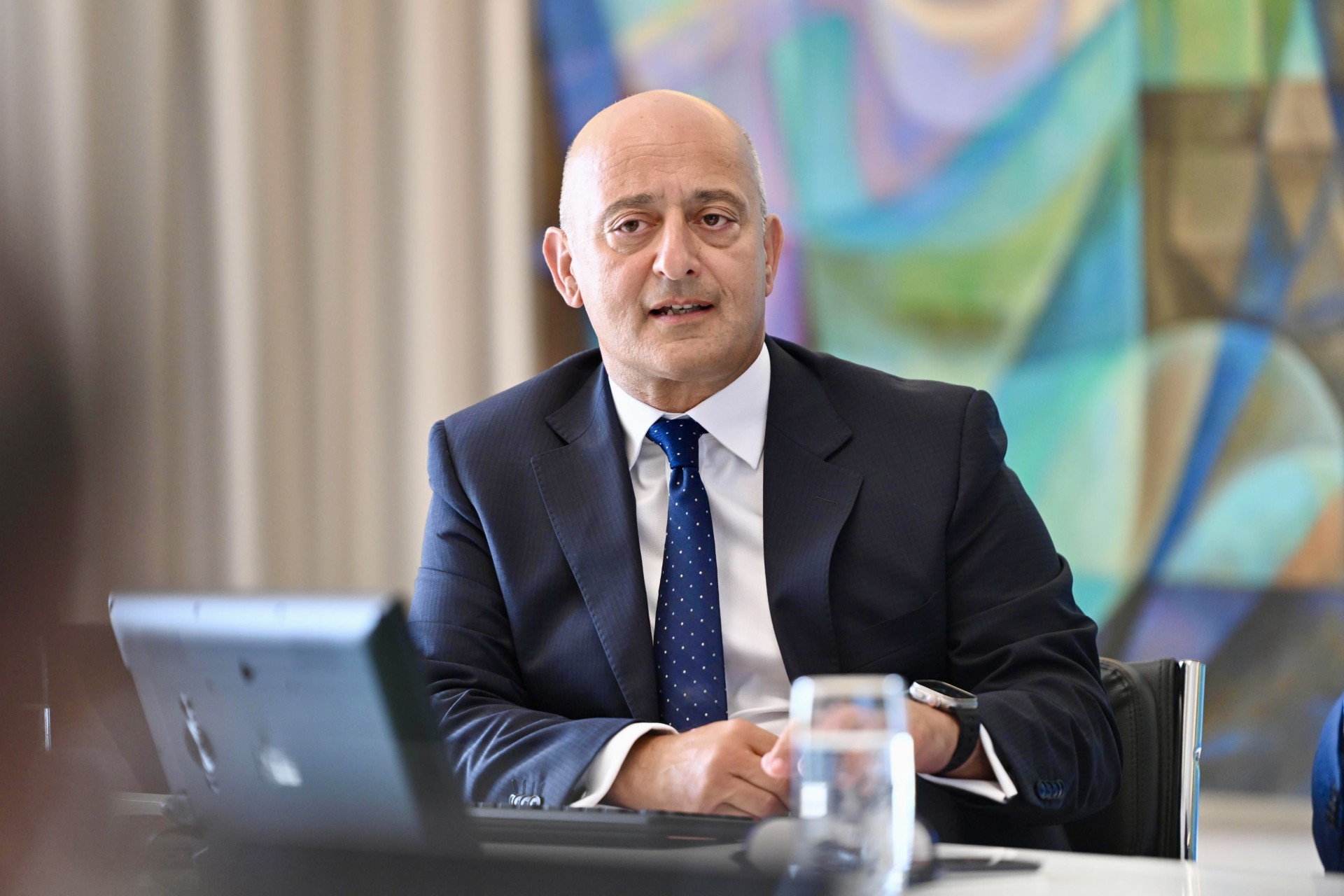
Malcolm Bray, Chief Economist at the Malta Fiscal Advisory Council (MFAC), took to social media to announce that he will be moving on from said organisation to work elsewhere.
Mr Bray joined the MFAC as Chief Economist in 2015, meaning that his tenure lasted upwards of six years.
“I thank everyone who has collaborated with me over these years and who I got to know through this role. Now I look forward to the next chapter, to work in another area which interests me,” the outgoing Chief Economist wrote.
Mr Bray started his professional career at the Central Bank of Malta back in 1999, where he held the roles of Senior Economist and Manager.
After that, he served as a Lecturer at a number of local schools and colleges and as Senior Manager at KPMG Malta.
The MFAC was established by the Finance Minister in 2015 to review and assess the extent to which the fiscal and economic policy objectives proposed by the Maltese Government are being achieved.
Featured Image:
Malcolm Bray / Malta Fiscal Advisory Council

‘Man and machine, not man versus machine’ – Malta Employers’ Association DG on AI use
The association has made a number of proposals for the upcoming Budget related to AI.
‘Malta remains attractive, but must not become complacent’ – Malta Chamber president
'Our competitive advantage cannot simply be access to labour. It must be access to talent,' he said.
BOV CEO: Traffic congestion affecting employees’ work-life balance, but not bank operations
One in four BOV employees made use of flexible working arrangements in 2025, as the bank seeks to minimise the ...

Businesses should heed the lesson in Revolut’s nightmare Tuesday
Melita’s Roderick Farrugia and BMIT’s Sean Cohen urge companies to review their vulnerability to single points of failure.
