


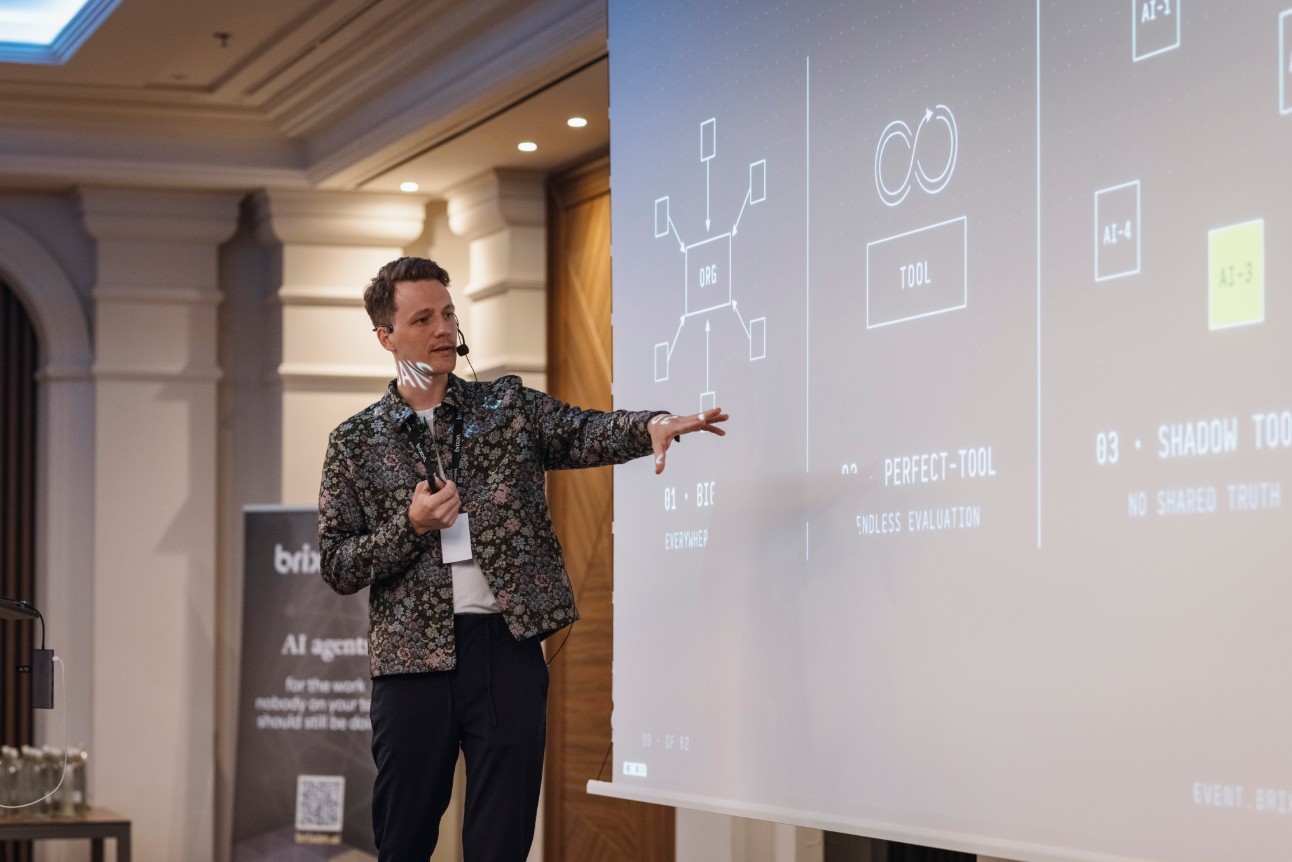
Speaking at an event organised by Brixon AI on Thursday (yesterday), CEO Christoph Sauerborn shared insights from his experience working with AI in his profession, warning that many companies are still approaching implementation in the wrong way.
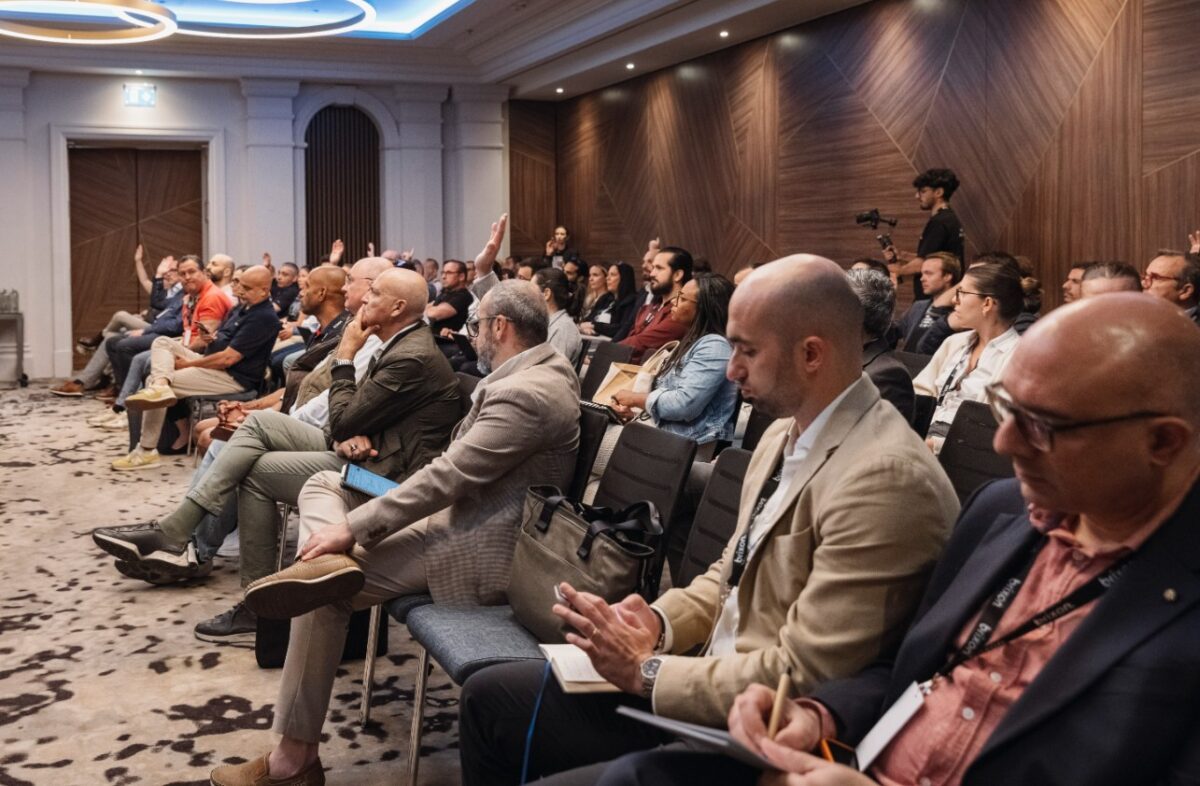
The half-day event at Hilton Malta brought together delegates from banking, telecommunications, professional services, gaming, the public sector, education and SMEs.
Mr Sauerborn reflected on his previous role, where he worked on predictive maintenance systems designed to prevent machinery breakdowns. After leaving the company, he launched a company focused on helping manufacturing businesses implement AI solutions. However, he revealed that most large-scale AI projects failed to succeed.
“Nine out of ten projects failed,” he said, noting that many AI initiatives never made it into production despite significant investments of time and money.
According to Mr Sauerborn, three recurring “failure patterns” emerged in companies attempting to implement AI.
The first was the “big bang” approach, where organisations attempt to overhaul everything at once rather than introducing AI gradually.
The second centred around employee frustration with AI systems, prompting laughter from the audience as he mimicked users shouting at chatbots: “No, I didn’t mean that!” – something we are all probably guilty of doing.
The third – and the one most attendees identified with during a live poll – was shadow tools, referring to employees independently using disconnected AI platforms without proper integration into company workflows.
“It is one of the things that can really hold you back,” he said. “The fact that you realise that is a good first step.”
But what works?
Mr Sauerborn stressed that simply spending money on AI or hiring experts does not guarantee success. Instead, he argued that successful companies treat AI more like a new employee than a software product.
“AI without context gives you confident wrong answers,” Mr Sauerborn told the audience. “Treat AI as a new hire. Brief it. Equip it. Let it run under clear ownership. The companies that do this will be different businesses three years from now compared to those that don’t.”
By doing so, he said, AI systems gain better context and produce more useful outputs, highlighting the importance of well-structured prompts and clearly defined workflows.
Businesses should stop treating artificial intelligence as just another tool and instead begin “building around it”, according to Mr Sauerborn.
“Stop using AI, start building around it,” he told the audience, arguing that organisations need to rethink how they integrate AI into daily operations rather than simply adding isolated tools to existing processes.
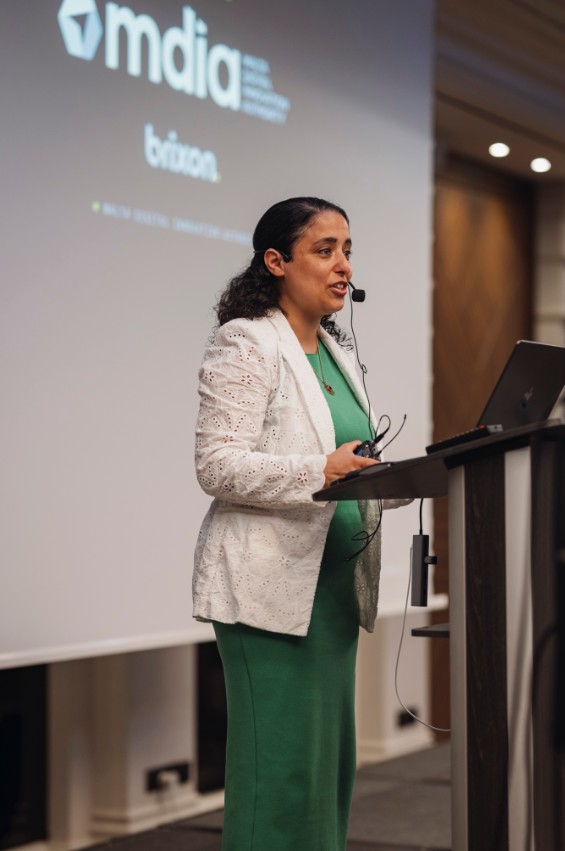
The event also featured remarks from Jean Marie Mifsud, Chief Officer for Innovative Technology at the Malta Digital Innovation Authority, who encouraged attendees to think of AI as a “digital employee”.
Dr Mifsud said “AI agents are the next step.”
She also referenced Malta’s “AI for All” initiative, noting that it recorded more than 6,000 active users within the first 48 hours of launch, which he said demonstrated that people want to “use AI responsibly”.
Following the keynote, delegates moved into a breakout session on AI architecture in the enterprise, covering governance, data quality, security, the boundaries between custom builds and managed agents, and the strategic question of where to start. A recurring theme across both technical and business tracks was leadership: the observation that executives who actively model AI use lift their teams, while those who delegate it downward tend to cap them.
The Gen Z advantage
Speaking to two business leaders at the event, they noted that AI adoption comes much easier for younger employees, as they tend to experiment more, and sometimes lead the charge into AI adoption themselves, even if they are not hired for that purpose. Hence, companies should note that it may be harder for older employees to adopt AI in their daily routines to help with their work.
When these business leaders were asked what advice they give to other leaders on this, they said companies should check in with all employees on how they are using AI, and provide them with training, no matter the age. "Nobody knows everything," they agreed.
Featured Image:
Christoph Sauerborn during his keynote speech / All photos attributable to Dragana Rankovic



‘It’s a privilege’: Rosanne Bonnici becomes only Maltese member of International Trust Law Academy
“It is a privilege to be recognised alongside such a distinguished group of practitioners from around the world,” she said.

EBO CEO: New investment will support healthcare AI company’s international expansion
The Malta-founded company plans to deepen its presence in the UK and Southeast Europe while expanding into the US.
AeroItalia VP: How €5 million helped airline to seize opportunity from market disruption
Marco Carcioffo says AeroItalia's relatively simple consolidation strategy allowed it to capitalise on an unusual opening in Italy's aviation market.

Theodoros Papadopoulos steps down as BOV Chief Customer Experience Officer after five years
'Now, on to helping people grow beyond what they thought possible,' he says.
