


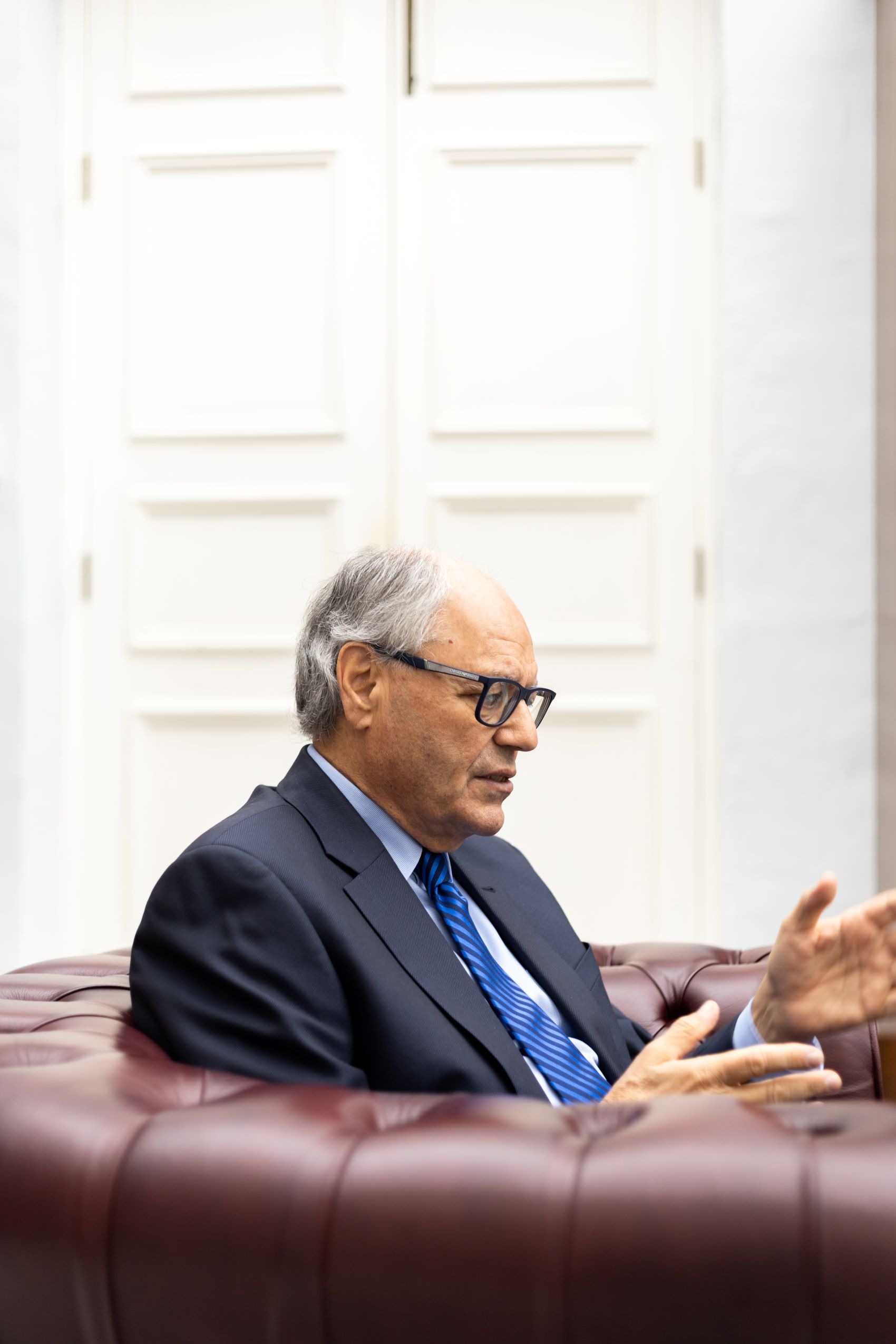
Central Bank of Malta Governor, Professor Edward Scicluna, has urged smaller banks not to panic in the face of artificial intelligence, but to act swiftly by creating dedicated AI units with clear mandates and visible leadership.
These, he argued, should have a clear mandate and leadership structure to coordinate effectively across monetary policy, financial stability, statistics and supervision.
Speaking at a high-level gathering of Mediterranean central bank governors in Cairo, he called for Mediterranean central banks to move decisively on artificial intelligence, stressing that the technology has the potential to significantly improve forecasting, policy analysis and financial stability.
He added that AI could be deployed to strengthen systemic risk mapping, provide early warning systems, and even extract insights from unconventional sources such as social media and corporate reports for sentiment analysis.
He also said that each central bank must address the AI core capabilities needed.
This includes strong data infrastructure, access to high-frequency data, technical expertise in data science and machine learning and above all, a solid governance framework.
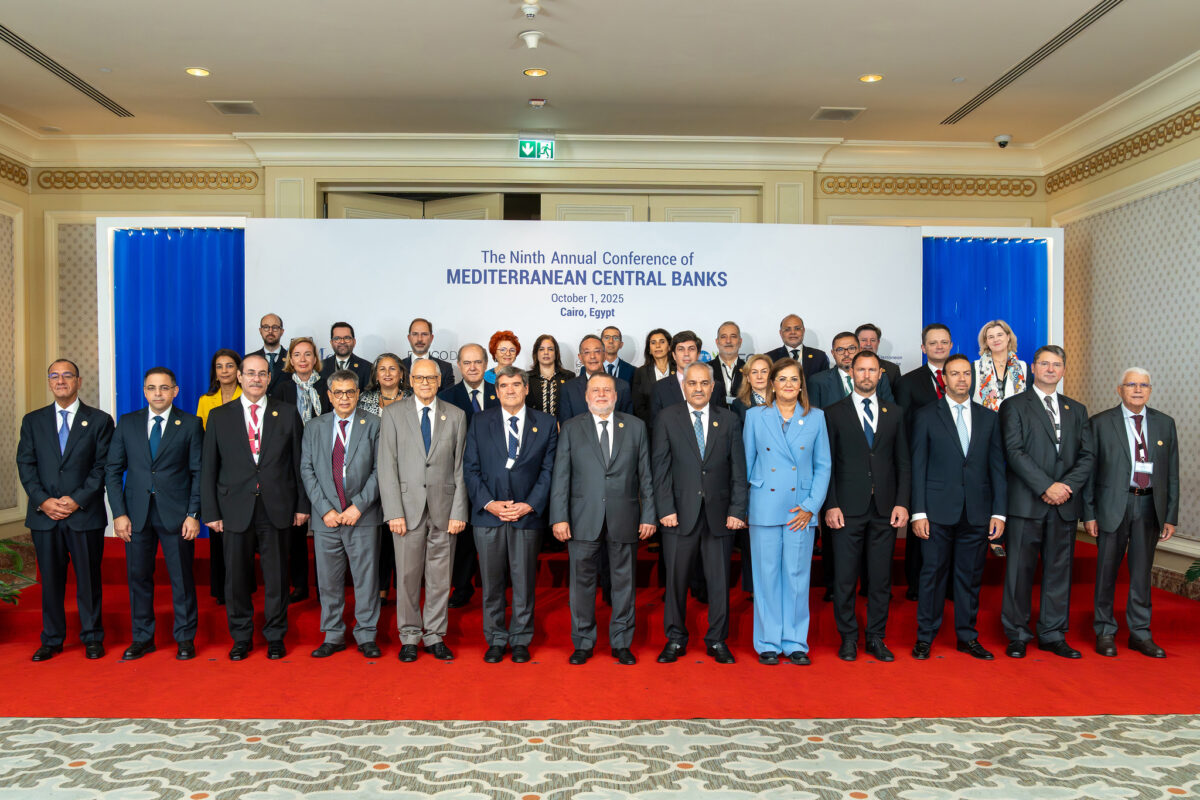
Governor Scicluna also highlighted the importance of partnerships with universities, regional AI networks, fintechs and private data providers.
But alongside the opportunities, Governor Scicluna warned of potential pitfalls. Risks include model uniformity, over-reliance on AI-driven advice, legal uncertainties, biases and so-called “AI hallucinations.”
To address these challenges collectively, the Governor proposed the creation of an AI Mediterranean hub, a community of practice where central banks could share techniques, data, and lessons learned.


Michael Stivala re-elected MDA President, calls for better forward planning
'Malta urgently needs better forward planning, particularly in infrastructure, transport, utilities and community facilities.'

Effective leadership ‘starts with listening’, says ETERNA Group’s Priya Lakshmanan
Priya Lakshmanan, newly appointed Chief Strategy and Optimisation Officer at ETERNA Group, speaks about the leadership qualities needed to drive ...
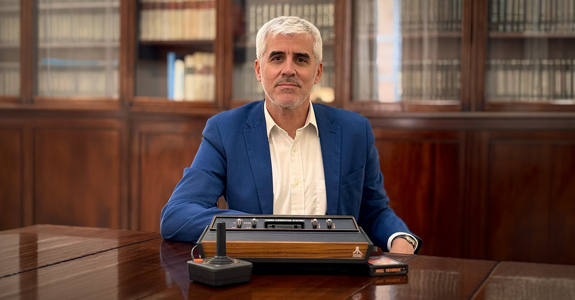
Fenech & Fenech Advocates appoints Antonio Ghio as Chief Innovation and Technology Officer
Antonio Ghio is an IT Law expert and has been with the firm for the past 25 years.
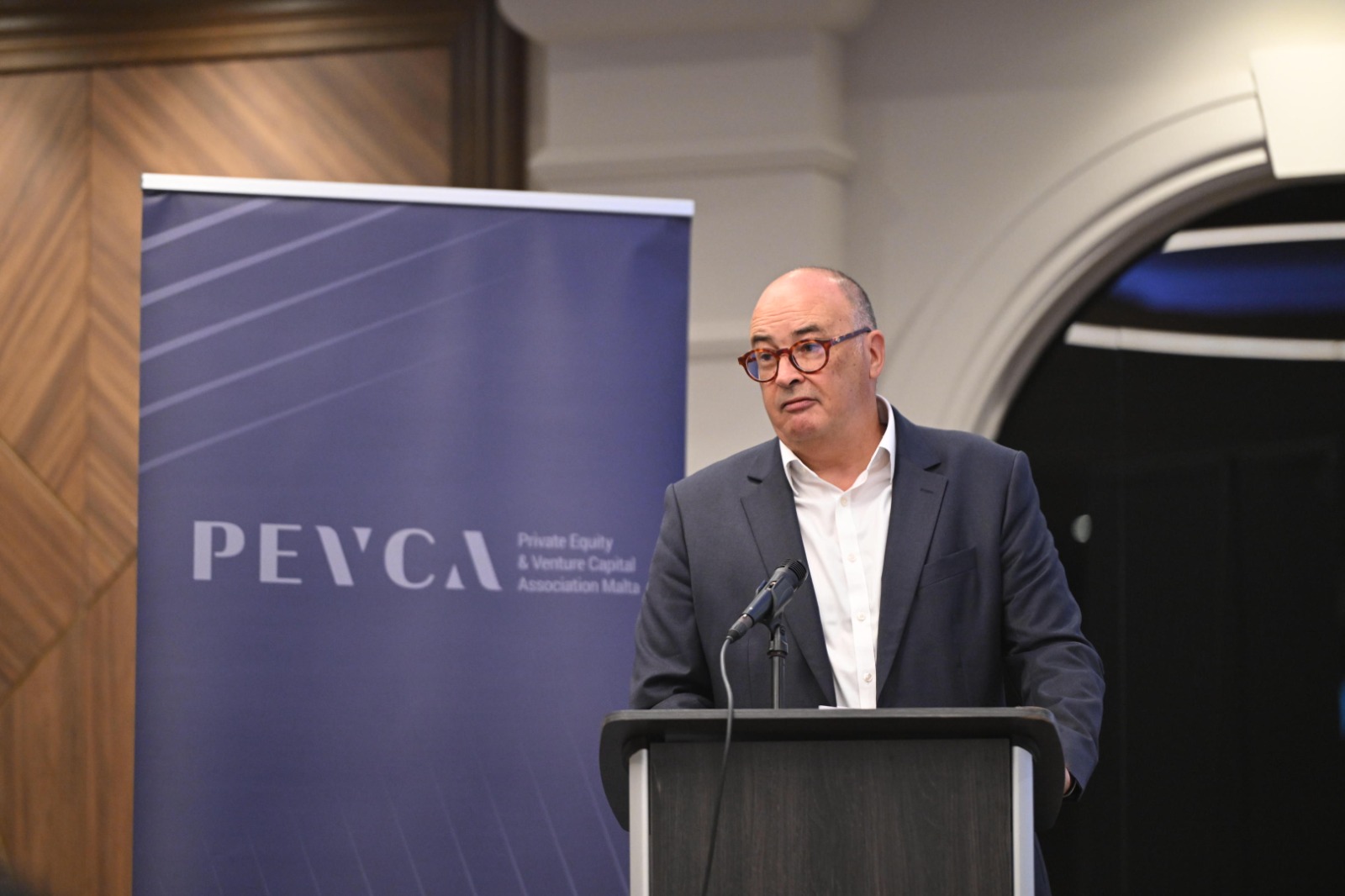
‘Considerable potential’ for Malta to develop as a private equity and venture capital hub – PEVCA head
He said that private equity and venture capital play a vital role in modern, innovation-driven economies.
