


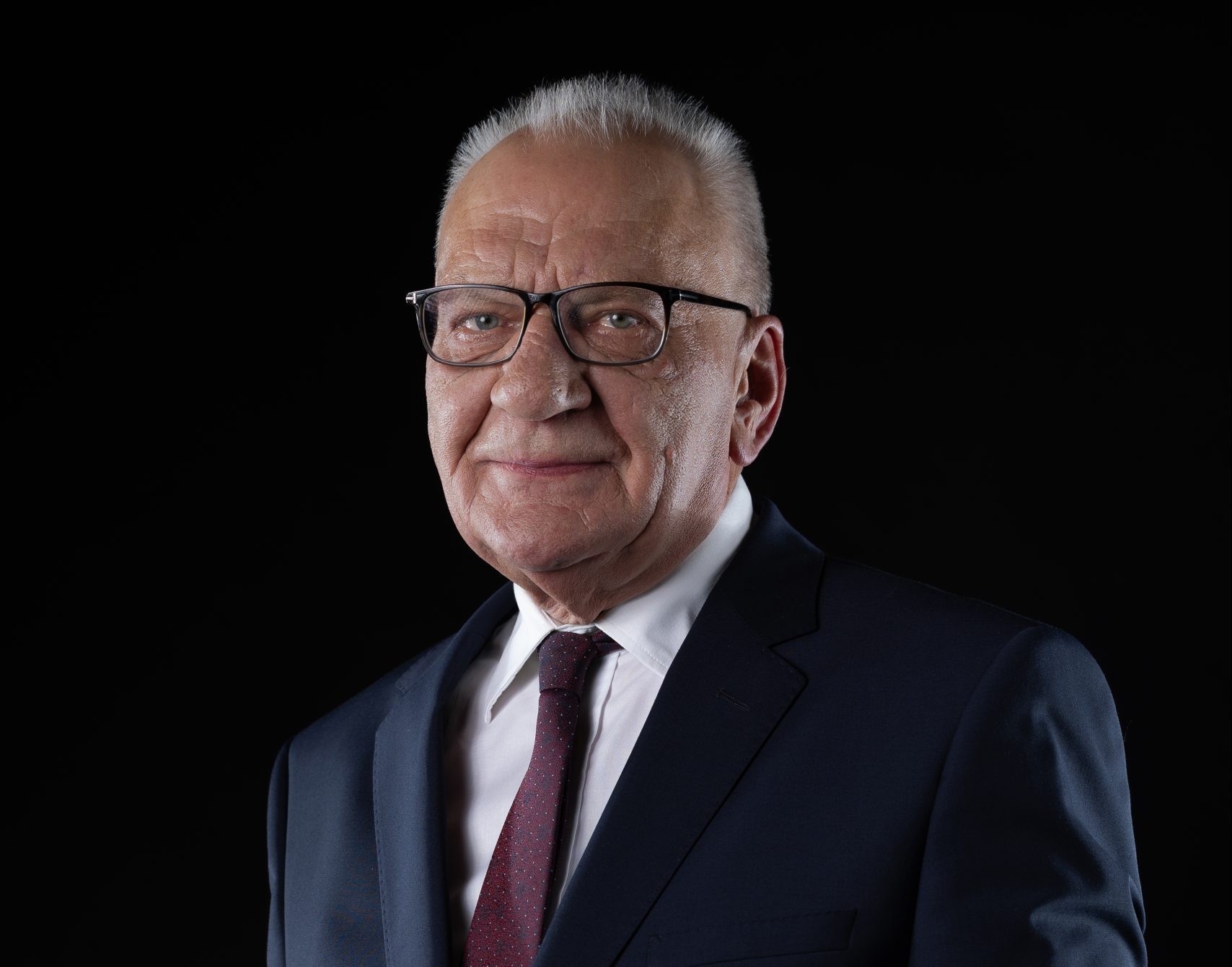
Malta International Airport plc (MIA) on Tuesday announced that Karl Dandler’s term as Chief Financial Officer (CFO) will be coming to an end this month after a 10-year tenure at Malta International Airport.
Mr Dandler was first named in the position in 2015, having already held top leadership positions within the aviation industry, including at Austrian Airlines, Kosice International Airport and Ukraine International Airlines.
Following a record-breaking first half of the year, MIA extended its thanks to Mr Dandler for his “invaluable contribution over the past decade,” as he steps into retirement.
“Mr Dandler’s financial oversight was also instrumental during the COVID-19 pandemic, helping position the company for a swift return to profitability in 2021,” the statement read, referring to a 64.5 per cent passenger movement drop in March 2020.
Meanwhile, Christian Schrötter is set to assume the CFO role on 1st September 2025.
Mr Schrötter brings broad leadership experience, having served as Managing Director of an automotive start-up and previously as CFO of a company listed on the Vienna Stock Exchange.
“Throughout his career, Mr Schrötter has amassed extensive experience in treasury, controlling, accounting, risk management and reporting, which will be valuable assets to Malta International Airport as the company continues to grow,” the statement concluded.
VIE (Malta) Limited, a subsidiary of Vienna International Airport, holds a 10.1 per cent stake in MIA. The majority shareholding is held by Malta Mediterranean Link Consortium Limited at 40 per cent, while the Government of Malta owns 20 per cent. The remaining 29.9 per cent is held by the general public.


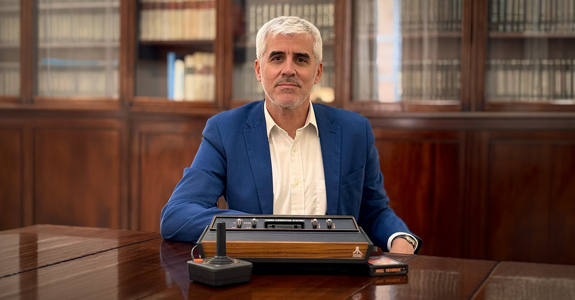
Fenech & Fenech Advocates appoints Antonio Ghio as Chief Innovation and Technology Officer
Antonio Ghio is an IT Law expert and has been with the firm for the past 25 years.
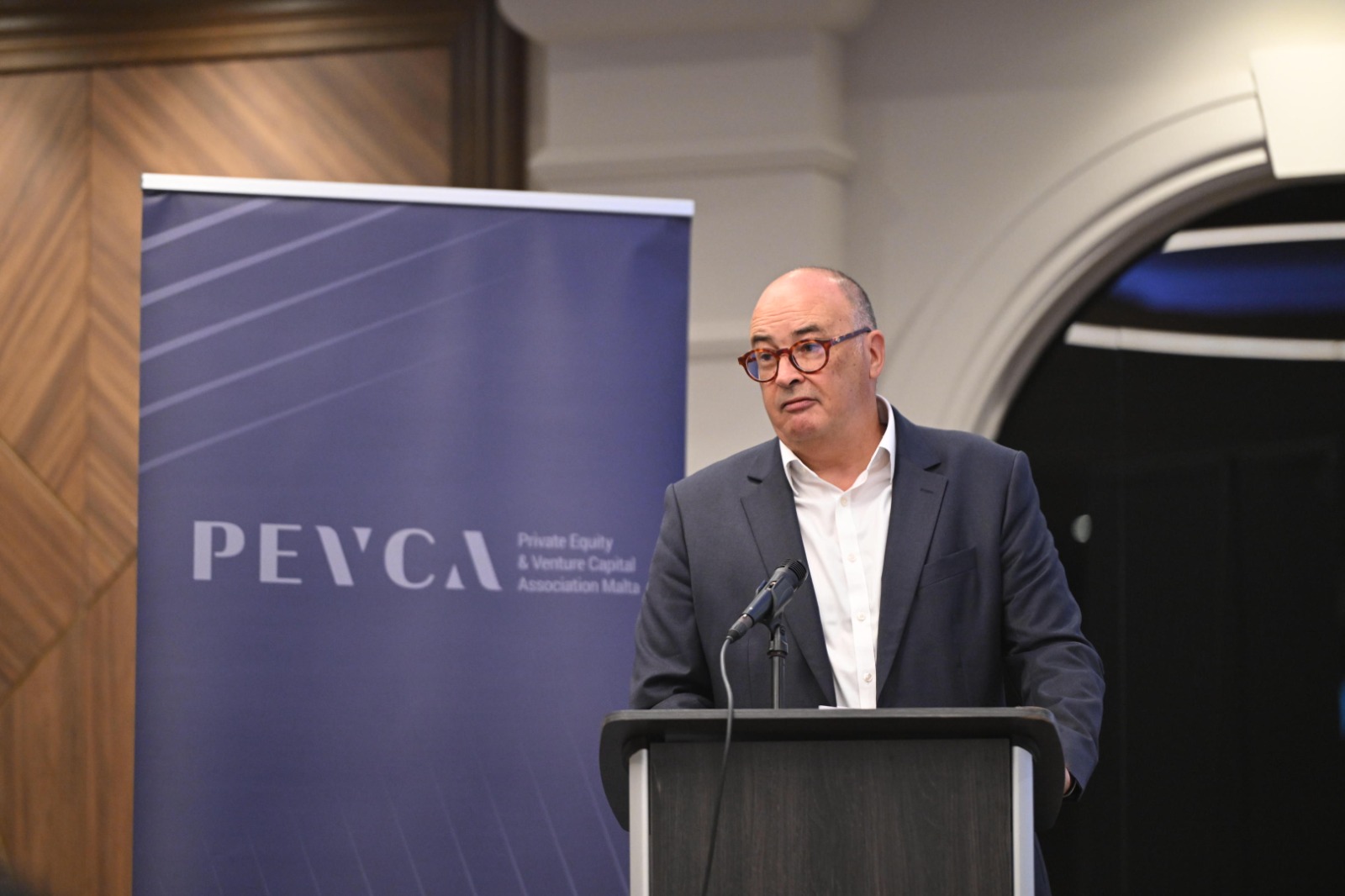
‘Considerable potential’ for Malta to develop as a private equity and venture capital hub – PEVCA head
He said that private equity and venture capital play a vital role in modern, innovation-driven economies.
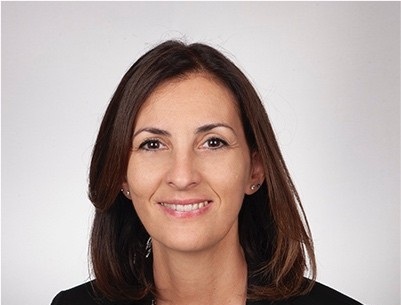
Nancy Pavlaki appointed Chief Financial Officer at Ramla Bay Resort
Prior to taking up the post, she worked in a number of financial positions in the hospitality industry.

Kyle Antoni Pace Cumbo appointed Chief Commercial Officer at Iniala
'I’m incredibly excited about what comes next,' he said.
