


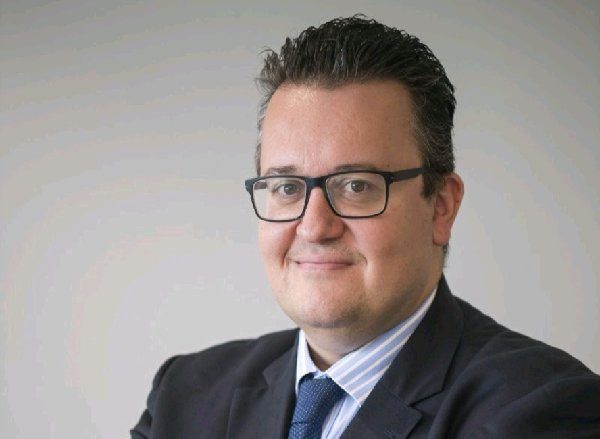
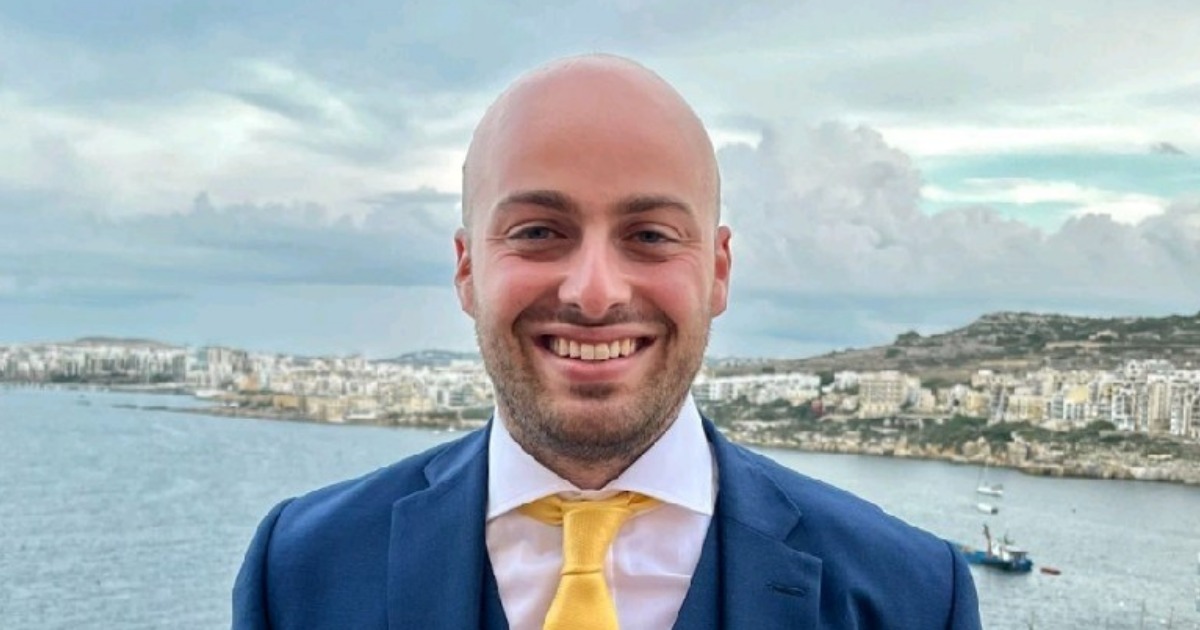
“Venezuela holds the world’s largest proven oil reserves, yet its economy has collapsed. How is this possible?” asks Silvan Mifsud, Director at Advisory Services at EMCS Tax and Advisory.
The answer, he explains, lies in over-reliance on a single resource, political mismanagement, and economic policies that failed to prepare for downturns. Cold, hard lessons that Malta must learn from.
Excessive dependence on oil caused other sectors - like agriculture and manufacturing - to wither. When oil prices dropped, the country had no “Plan B.” Political decisions replaced technical experts in the state oil company, PDVSA, with political loyalists, triggering a massive “expertise exodus” and leaving refineries without maintenance. To cover public deficits, the government printed money, leading to hyperinflation that peaked at over 9,000% in 2019. Price controls compounded the crisis, creating widespread shortages of basic goods, while sanctions and isolation from global financial markets made infrastructure modernisation and oil exports nearly impossible.
For Mr Mifsud, Venezuela’s situation underscores a critical lesson for Malta. “I firmly believe that the fact Malta has a lack of natural resources is a ‘blessing in disguise.’ It forces us to focus on human-led innovation. Unlike Venezuela, Malta’s economy is multi-pillar, diversified across iGaming, financial services, aviation maintenance, tourism, and pharmaceuticals, among other sectors. By leveraging our Mediterranean location and EU membership, we act as a gateway for international business, benefiting from the single market.”
From growth by volume to growth by value
Malta’s challenge now, Mr Mifsud says, is to accelerate a structural shift in its economic model - from “growth by volume” to “growth by value.”
“For the past decade, Malta’s growth was largely input-driven,” he explains. “We increased labour by attracting a foreign workforce, boosted tourism volumes, and ramped up construction and real estate development. While GDP grew, Gross Value Added (GVA) per hour worked lagged behind the EU average, creating pressure on infrastructure, housing, traffic, utilities, and healthcare.”
“Growth by value,” he continues, “focuses on Total Factor Productivity - extracting more output from the same or fewer resources.” The approach relies on three key pillars:
- Digitalisation and automation: Businesses are incentivised to invest in AI and automation, generating more output from existing sectors without constantly increasing inputs.
- Transition to knowledge-intensive sectors: Attracting high-value investments in technology, services, and specialised industries enhances productivity and strengthens the workforce. Upskilling local talent in areas like FinTech, MedTech, and other high-value skills ensures workers generate greater economic output per capita.
- Tourism by yield, not volume: The Malta Tourism Authority, according to Vision 2050, should prioritisesquality tourists - cultural, medical, and sports visitors who stay longer and spend more - over mass-market arrivals that strain public services.
Towards a value-based economy
A value-based economy, Mr Mifsud argues, makes Malta more resilient to external shocks:
- Fiscal space: High-value sectors generate higher corporate and income taxes, allowing the government to maintain subsidies, such as the current energy price freeze, without unsustainable debt.
- Resource independence: Knowledge-intensive industries require fewer natural resources, an advantage for a resource-scarce country like Malta.
- Global competitiveness: Automation and higher-value sectors secure Malta a niche that is harder to replace, even as global markets evolve.
“The Venezuela case study shows that economic resilience means never standing still,” Mr Mifsud says.
On 3rd January, 2026, the United States launched a “special operation” to exfiltrate President Nicolás Maduro and his wife from Caracas. In a press conference, former President Trump declared that the U.S. would manage Venezuela until its oil infrastructure is rebuilt, envisioning a future of ‘oil-funded prosperity’.
“Since Malta never had a natural resource to fall back on, except its people, our safety net is our ability to adapt regulations, workforce, and skills faster than competitors, positioning us as a leader in present and future sectors. Let’s not allow recent strong economic growth to be our limiting factor.”
For Malta, economic diversification, human capital, and value-based growth are the keys to resilience. “By building on these strengths, Malta can continue to thrive without the pitfalls that come with natural-resource dependency,” he says.


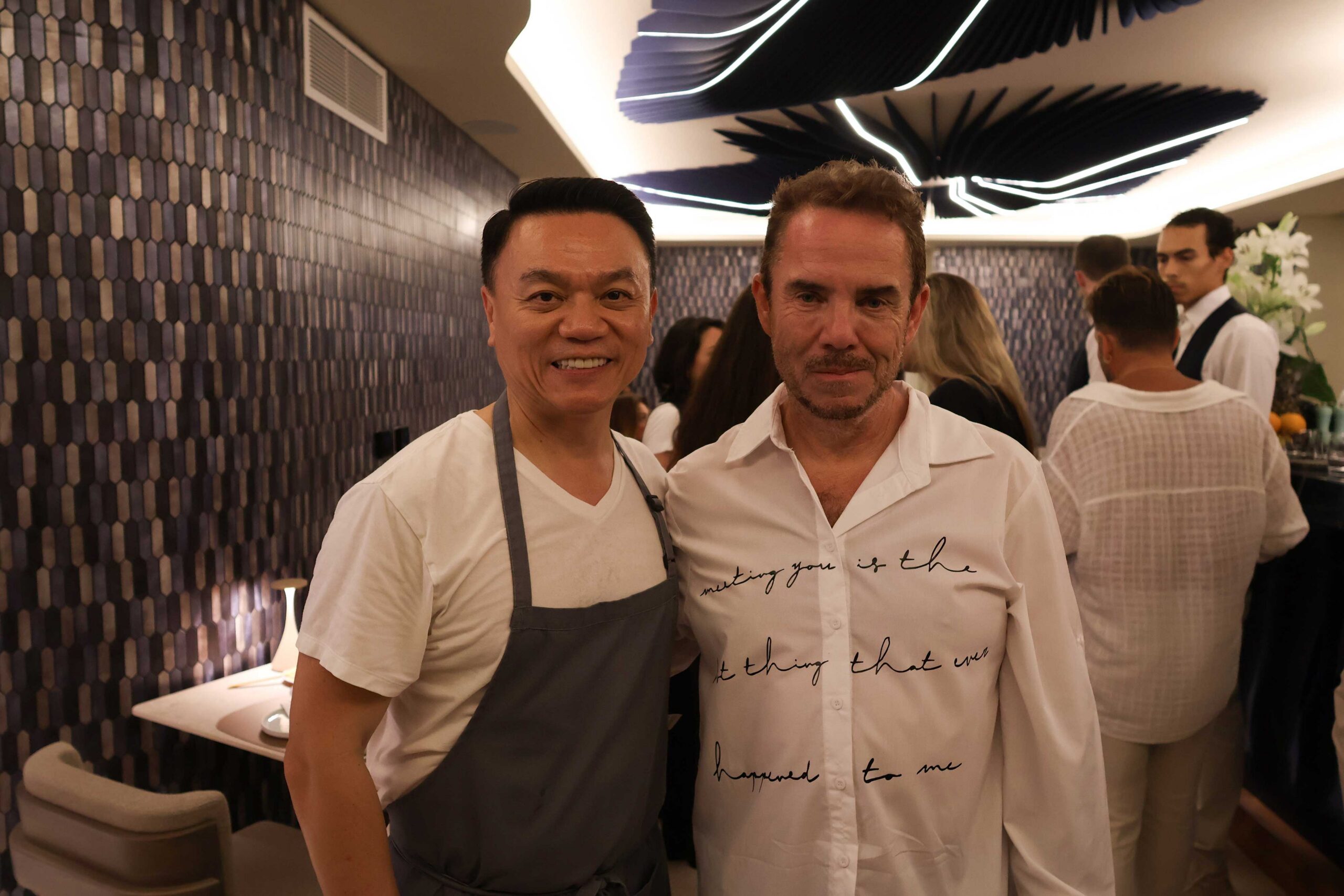
Sawadee Valletta! Iniala brings Thai family-style dining to Malta
Led by celebrity chef Ian Kittichai, Anaalā takes diners on a journey across Thailand with four rotating menus.
Deloitte Malta appoints Michael Agius as Director and Deputy Chief Legal Officer
‘Truly been a privilege to learn and grow within this global organisation,’ says Michael Agius.
Ryan Mahoney joins Bajada Group as Chief Operating Officer
This comes after more than four years as a General Manager at Bolt Malta.

Ian Zahra appointed as Director of International Tax at Deloitte Malta
He has been with the company for over six years.
