


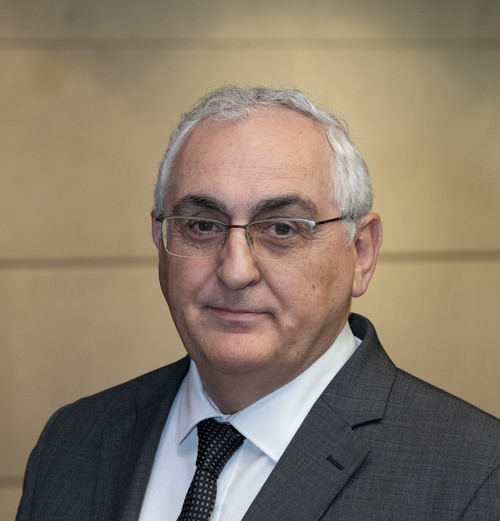
Maltese households are generally not carrying excessive debt, according to Alexander Demarco, who says the latest findings from the Household Finance and Consumption Survey show that risks to financial stability from household borrowing remain limited.
Speaking after presenting the survey results, the Governor of the Central Bank of Malta tells MaltaCEOs.mt that household balance sheets remain sound, even though certain demographic groups carry relatively higher debt levels.
“From the survey results we’ve seen, the indications are clear that households are not overstretched,” he explains.
While some younger households tend to hold a higher share of debt relative to income, he noted that measures introduced several years ago were specifically designed to prevent excessive borrowing.
Back in 2019, the Central Bank – acting as Malta’s macroprudential authority – introduced borrower-based measures that require banks to observe limits related to loan-to-value ratios and debt-service-to-income levels.
“These were introduced to avoid households becoming overstretched,” the Governor says, adding that the latest survey results suggest these safeguards are working as intended.
As a result, he does not see significant systemic risks stemming from household indebtedness.
However, the survey does point to another issue that policymakers should continue monitoring: the distribution of income and wealth across different age groups.
Recent findings from the EU Statistics on Income and Living Conditions (SILC) Survey indicate that incomes among working-age households have increased significantly in recent years. According to Mr Demarco, this is partly driven by Malta’s expanding labour market and higher workforce participation.
A key factor has been the growing participation of women in the labour force, which has led to more households earning two incomes.
“This has increased household income when compared to older generations,” he notes.
In contrast, many households in their 70s and 80s depend largely on a single pension. When those individuals were active in the labour market, female participation rates were significantly lower, meaning that many families relied on a single earner throughout their working lives.
This dynamic has contributed to a more uneven income distribution between working-age households and older generations.
To address this gap, recent policy adjustments have focused on improving pension indexation. Whereas pensions were previously adjusted by two-thirds of the annual cost-of-living adjustment (COLA), in recent years they have been fully indexed to COLA and supplemented with additional top-ups.
These measures aim to reduce disparities between pensioners and working-age households and help mitigate relative poverty, which is typically measured as income below 60 per cent of the national median.
Looking ahead, the Governor expects some of these imbalances to ease naturally over time.
As today’s dual-income households retire in the future, their pension income is likely to be higher than that of previous generations because both members of the household will typically receive a pension.
“This should lead to a more balanced distribution over time,” he said.
More broadly, the latest survey highlights the significant improvement in Maltese household finances over the past decade.
Household income has increased considerably, while wealth has also risen sharply, largely driven by developments in the property market. According to Mr Demarco, the rise in household wealth reflects the strong performance of the Maltese economy in recent years.
Per capita income has now surpassed the European Union average – a trend that has also been mirrored in higher real estate values.
“These developments effectively reflect the fact that the Maltese economy has grown over this period,” he said.

Future Focus is transforming accessible education in Malta
As Future Focus celebrates 25 years of widening access to education in Malta, the institution marks the milestone with the ...

Great leaders ask great questions: The key to innovation, growth, and stronger teams
By embracing the power of asking good questions, leaders don’t just guide their teams - they inspire them to think, ...

Opening of Corinthia Rome ‘another milestone’ for the group, says CEO Simon Naudi
The Maltese-founded hotel group expands its Italian footprint with a 60-room property on Piazza del Parlamento.
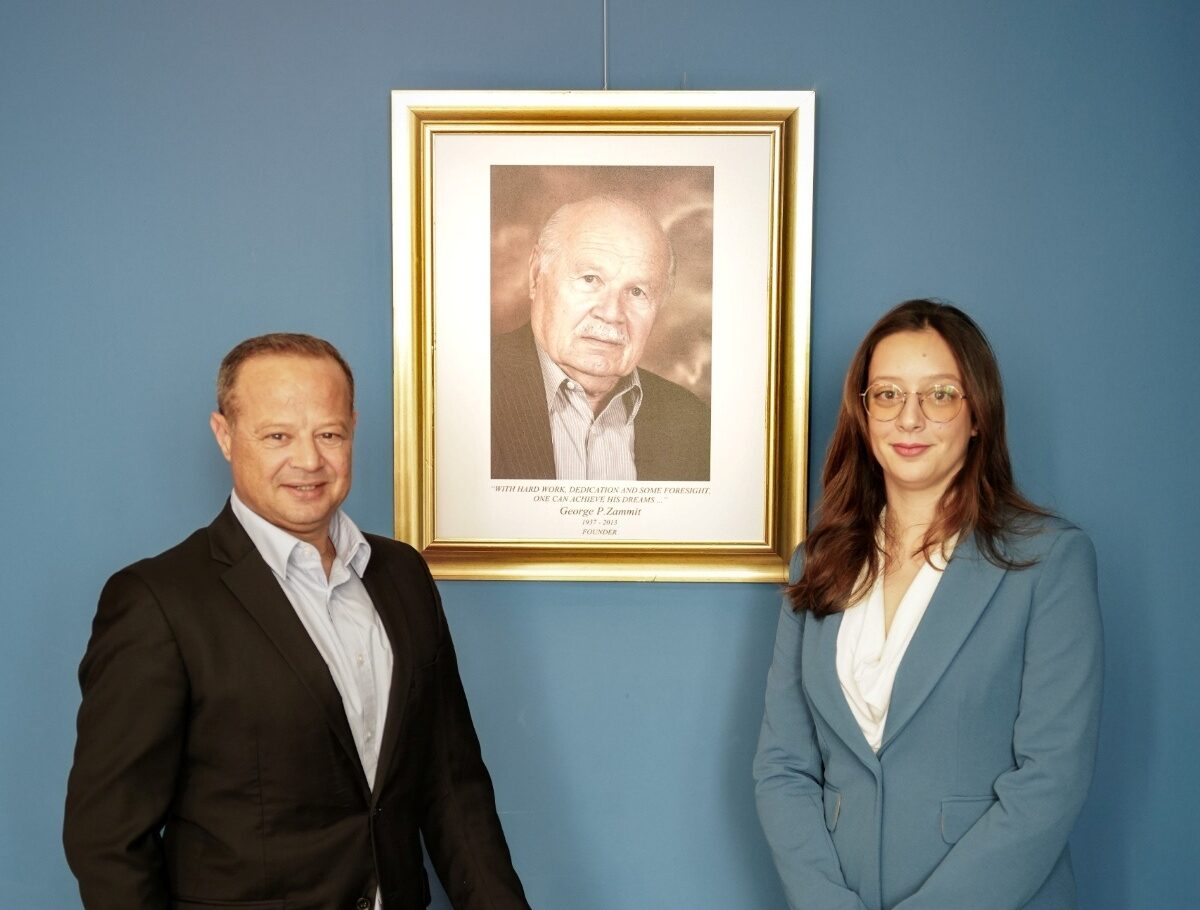
‘The market dictates and we adjust accordingly’ – Inside the mindset powering Zamco at 50
Zamco Group’s CEO Sandro Zammit and CPO Nicole Zammit Dimech discuss their current leadership transition, adaptation, and building a business ...
