


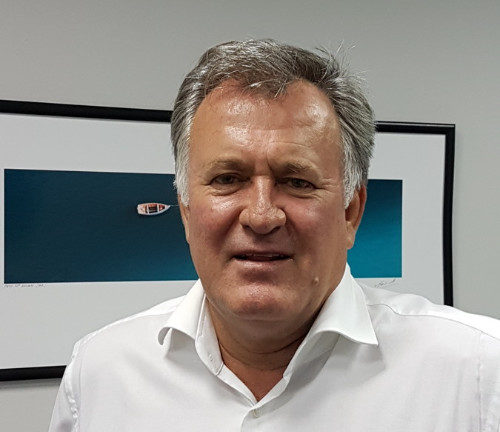
The 2021 merger between Medserv and Regis has “forged a powerful alliance combining expertise, resources, and values to create a unified entity that continues to set new standards in our industry,” according to MedservRegis plc CEO David O’Connor.
Speaking during an event marking 50 years since the founding of Medserv, Mr O’Connor said that the integration as strengthened the company’s ability “to serve our clients, advance our mission, and expand our impact globally.”
The group is now fully operational in 14 locations across nine countries, ranging from Malta to Mozambique, Iraq to Egypt, the UAE to Uganda, with two new countries recently added: Guyana and Namibia.
“These two countries are no doubt the most talked about in terms of recent discoveries and potential in the years ahead,” said the CEO.
He continued: “Discussions are ongoing on how best to position our group in the broadest manner possible. Be it restructuring of the group, management evolution, cost optimisation, investment in technology and even divestment of business units if circumstances demand. All of this to be aligned with the aim to deliver, in a constant manner, value to our stakeholders.”
Mr O’Connor added that despite ongoing challenges, the world's demand for oil reached a record high of over 100 mbpd (thousand barrels per day) for the first time ever in 2023.
Growth is expected to continue in 2024, albeit with less momentum.
During the event, Medservregis also presented its interim report for the first half of the year, reporting a 10 per cent increase in revenues, a 68 per cent increase in gross profit, and a 53 per cent increase in EBITDA.
It also shared a timeline of the company’s half-century of history, reported on WhosWho.mt.


Nancy Pavlaki appointed Chief Financial Officer at Ramla Bay Resort
Prior to taking up the post, she worked in a number of financial positions in the hospitality industry.

Kyle Antoni Pace Cumbo appointed Chief Commercial Officer at Iniala
'I’m incredibly excited about what comes next,' he said.
‘We want to build a group that will outlive us all’ – James Barbara
James Barbara brought a group of major businesses together under a new corporate identity.
LifeStar Insurance appoints economist Jean Paul Fabri as Interim Acting CEO
His appointment follows the departure of Jonathan Camilleri as CEO.
