

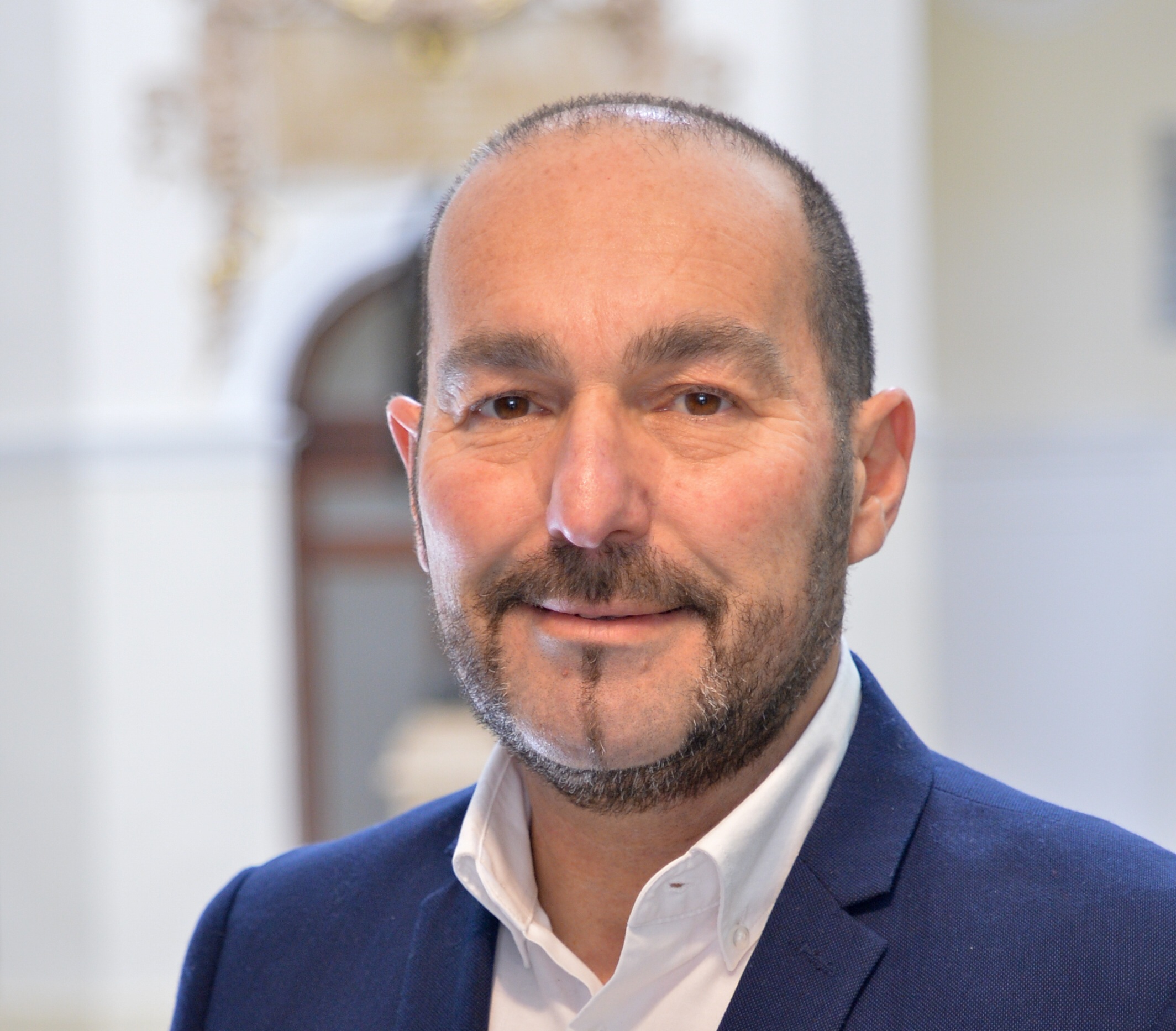
Malta’s manufacturing sector has shown time and again that it can adapt. But the challenges are changing, and our response must change with them. In conversations with manufacturers, the same concerns keep coming up: people, rising costs, energy, logistics, industrial space and, above all, the investment needed to remain competitive.
One issue stands out. We cannot keep addressing every labour shortage by adding more workers. The way forward must be greater productivity.
Between 2015 and 2025, Malta’s gross value added grew by 81.9 per cent, yet 68.9 per cent of that came from employing more people and only 3.1 per cent from productivity. The Malta Fiscal Advisory Council estimates that sustaining 4 per cent growth at historical productivity would need around 14,000 additional workers a year, against around 6,000 if productivity growth reached 3 per cent.
This is why the Malta Chamber’s pre-Budget proposals call for a move from volume to value. For manufacturing, it means helping companies invest in automation, modern machinery, digitalisation and AI so they can grow without expanding their workforce at the same rate.
That takes serious capital, so support must follow: stronger investment tax credits, accelerated capital allowances, targeted grants and better access to finance. The Chamber has proposed an upfront cash payment of part of an approved grant, a repeat of the €100 million digitalisation allocation open from the first day of 2027, and a higher tax deduction on research and innovation, from 175 per cent to 200 per cent. It should be available to every company investing in Malta.
But incentives alone are not enough. Malta urgently needs a clear, long-term Industrial Policy. Today, manufacturing is effectively operating in a vacuum. A new production line or factory is a commitment that can last 10, 15 or even 20 years, and businesses need to know what to expect.
The policy should set out what type of manufacturing Malta wants to attract, retain and develop, covering productivity, skills, energy, logistics, industrial space, technology and access to finance. Manufacturing is not about the number of jobs created, but the value created and the skills developed. And if we want manufacturers to invest long-term in Malta, Malta must show a long-term commitment to manufacturing.
Automation is only half the story. Factories will need fewer people performing repetitive tasks but more technicians, engineers, electricians, automation specialists and digitally skilled employees. Yet STEM graduates account for only 13.8 per cent of post-secondary output, and Malta spends 0.54 per cent of GDP on research and development, against an EU average of 2.24 per cent.
Industry, MCAST, the University and Government must build courses, apprenticeships and training around the skills manufacturers will need in three or five years, and give technical careers the recognition they deserve. We must also retrain existing workers, which is why the Chamber proposes a tax credit for training costs incurred. Investment in machinery and people must go hand in hand.
Foreign workers will continue to play an important role, but our focus should be on attracting the skills Malta genuinely needs, such as through a fast-track residency scheme for highly skilled third-country nationals. Malta cannot compete on scale or cheap labour, but on quality, efficiency and innovation.
Other issues matter too. Congestion cost the economy an estimated €770 million in 2025, and a company can automate its warehouse only to see its delivery fleet stuck in traffic. Businesses should also not have to submit the same information to different government entities repeatedly.
Our objective should be simple: help manufacturers invest more, automate more, train more and produce more value. This is not about replacing people with machines. It is about an industry that needs fewer additional workers to grow, while creating demand for skilled people, better careers and better salaries.
Malta’s Industrial Policy should be the framework that determines whether manufacturing remains a strong pillar of our economy. The time to provide that direction is now.


The €1,000 question the Budget never asked
The Budget 2027 put money in people's pockets, but did nothing for how they handle money.
Budget measures on foreign labour ‘push businesses to rethink operational model’
To avoid harm to Malta’s competitiveness, rapid execution of skills upskilling and streamlined support for innovation are required, writes Herald ...
David Spiteri Gingell: ‘Budget 2027 is about relief now, reform later’
David Spiteri Gingell argues that Malta Vision 2050 'has no financing plan.'

Retention is the new recruitment strategy for Malta’s businesses
Recruitment remains competitive for businesses, so retaining a good employee can be just as valuable as recruiting a new one.
