

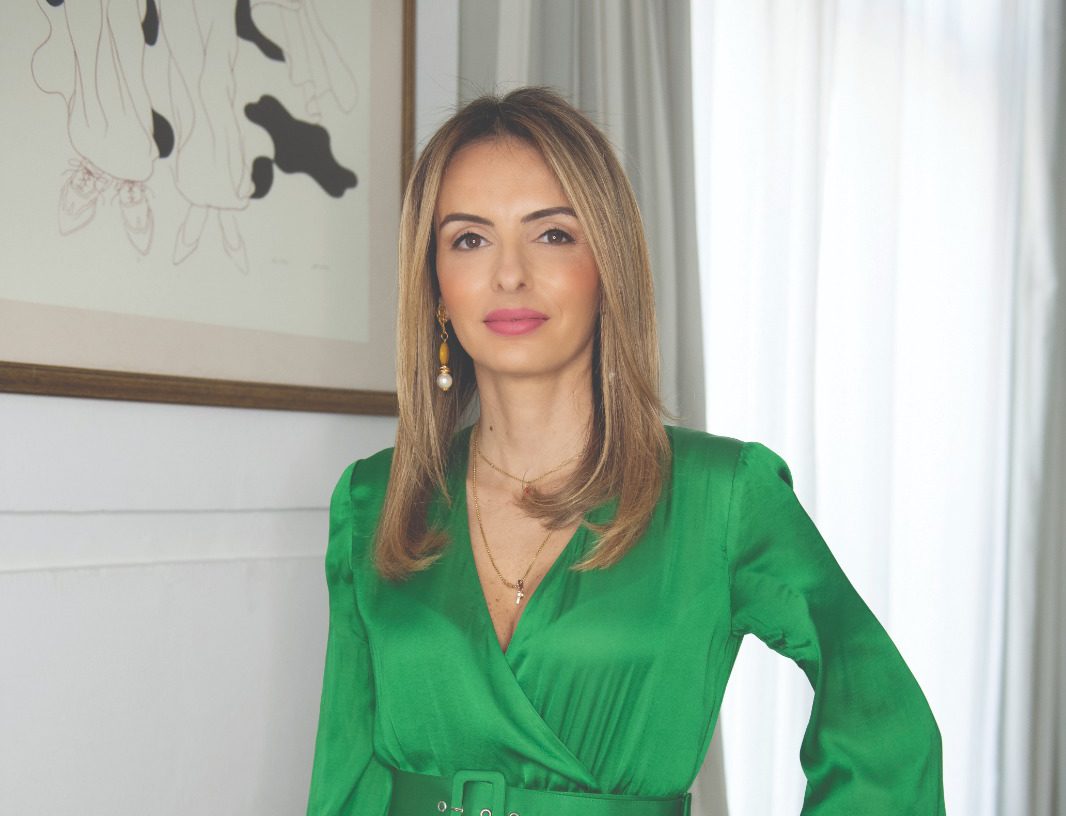
Dr Stephanie Fabri is an economist specialising in strategic management and public policy. Having worked in the private and public sectors, Stephanie brings a wealth of knowledge and experience in applying economics to firms, consumers and communities.
“The current situation is very particular and fluid, making it very difficult to predict how everything is going to unfold,” says Stephanie Fabri, sharing her assessment of the local economy moving forward.
“In order to be able to outline a possible scenario, we need to understand the nature of the crisis we are experiencing. Currently, we are going through the economic aftermath of a global pandemic which halted crucial economic sectors, primarily tourism and retail. As economies started to recuperate, at a global level, market players were hit with increases in prices and supply chain shortages. The significant increases in consumer demand, together with BREXIT and the Russia-Ukraine war, have continued to amplify these economic issues,” she explains, breaking down this unique situation.
Analysing where this leaves our economy, Dr Fabri references the European Commission’s forecast that Malta will have one of the strongest economic growth rates in the EU in 2022 and 2023, coupled with a relatively low inflation rate when compared to other member states.
Despite this positive outlook, she says, “we still need to work hard to contain social and economic inequality levels. Social inequality is a result of price increases of basic goods such as food and basic services. Economic inequality occurs as a result of the present crisis impacting some sectors more than others which is likely to lead to discrepancies in investment levels, wage growth, productivity growth and profits. By containing these inequalities, we would be ensuring that our economic model remains as competitive, resilient, and agile as possible for the upcoming challenges.”
Giving her take on interventions to curb the implications of the crisis, Dr Fabri says that these can either take the form of monetary (change in interest rates/money supply) or fiscal policies (change in Government spending and tax regime), or both.
“There are different schools of thought on what option governments should take, however, there seems to be a shift in thinking towards a combination of monetary and fiscal interventions to re-stabilise economies. This means that we are likely going to see different interest rate hikes this year by the European Central Bank, aimed at stabilising investment and spending, combined with fiscal interventions which are likely to take place to enhance efficiency in public spending and redirect spending where most needed, essentially to retain employment and protect the vulnerable groups and economic sectors,” she posits.
Of course, Dr Fabri continues, “one has to be extremely careful with interventions as an imbalanced combination might lead to stagflation (slow economic growth, high inflation and high unemployment), social unrest, and other economic complications which could easily lead to a situation which makes recovery extremely challenging.”
She adds that whilst recovery in sectors like tourism will help to serve as a cushion in the short-run, there are challenges that Malta needs to address now in order to ensure a sustainable and efficient future for our economy. “Most importantly, we need to ensure that we diversify Malta’s economic fabric by opening up to new niche markets to ensure that we remain relevant as an investment destination whilst sustaining and attracting high-quality jobs,” she notes, describing this as a principal factor which will ensure that we remain competitive.
This feature was first carried in the Summer 2022 edition of Business Now magazine.

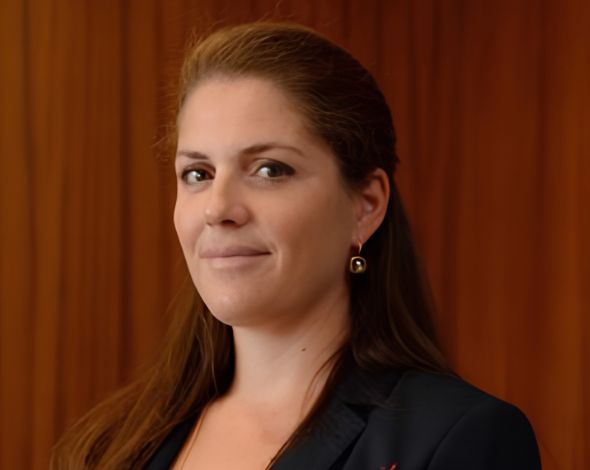
Antonia Zammit appointed Non-Executive Director of Simonds Farsons Cisk
Antonia Zammit replaces outgoing Director Marina Hogg.

Indiscriminate PEP rules undermine ability to attract talent for public appointments – Norman Aquilina
'Malta has a Politically Exposed Person (PEP) paradox that has become a competence trap.'
Ready to shape the next chapter of financial services regulation?
Malta's financial watchdog is seeking five Deputy Chief Executive Officers to join its Executive Leadership team.
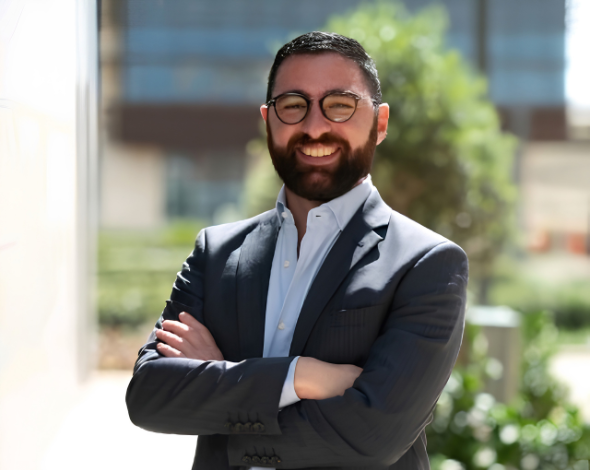
Etienne Gatt takes on People & Culture Director role at Malta Gaming Authority
Etienne has been with the MGA for 7 years.
