


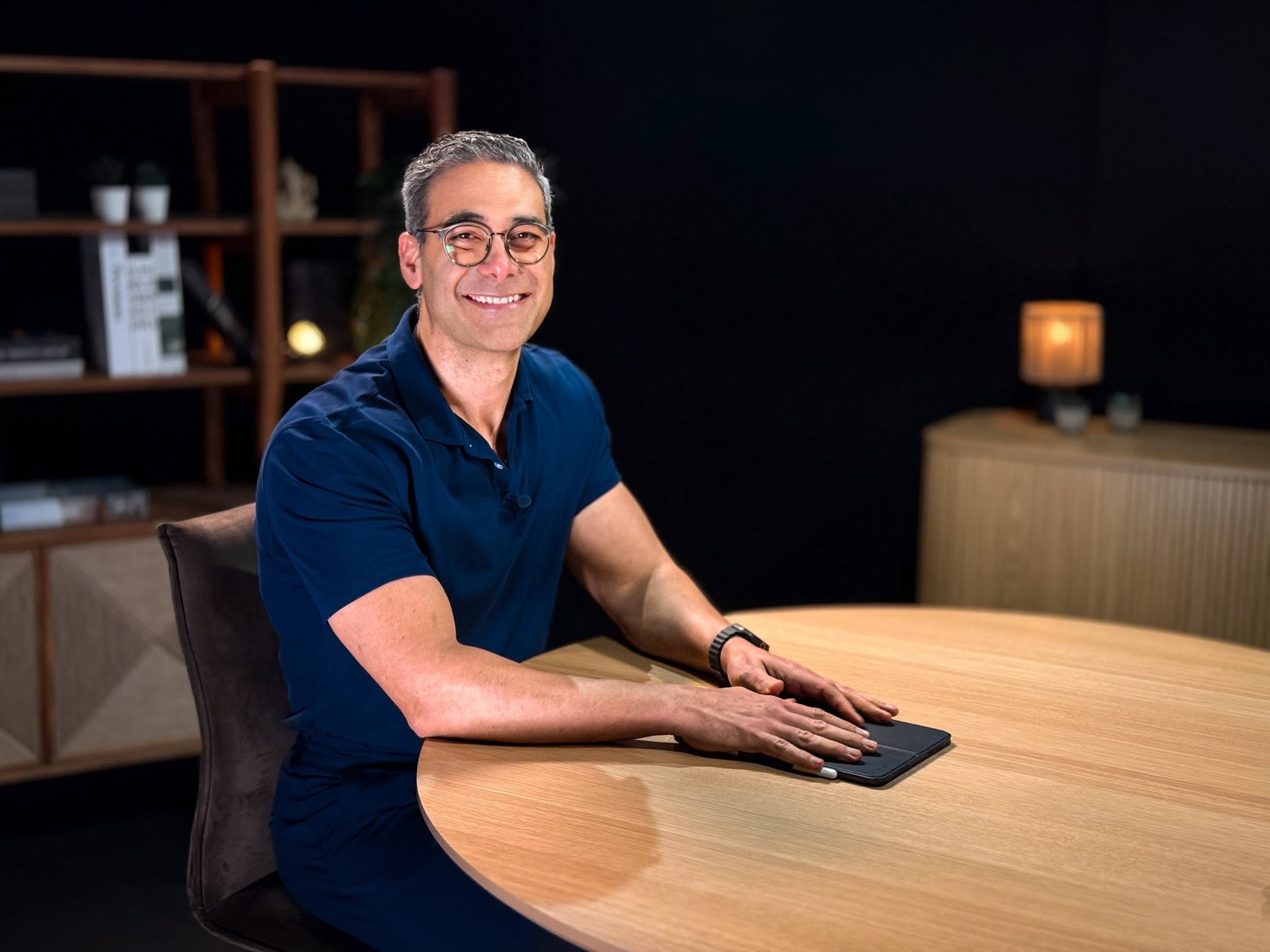
Deploying artificial intelligence in the workplace without human-centred design does not reduce bias – it scales it, AI entrepreneur and strategist Gege Gatt said.
Dr Gatt opened this year's Malta Diversity & Inclusion Charter Conference, where he delivered a keynote speech, and set the tone for a day that moved confidently between technology, economics and law, with a single question threading everything together: “who, and what, do we actually value?”
Organised by CORE Platform and held under the theme Beyond the Bias: Artificial Intelligence, Neurodiversity and Building Inclusive Workspaces, the third edition of the conference drew human resources leaders, policymakers and executives from across Malta's private and public sectors.
Dr Gatt, Chief Executive of EBO Artificial Intelligence, argued that the real opportunity in workplace artificial intelligence is not automation but augmentation. Using technology to reduce friction, personalise support and improve accessibility, while keeping human judgement firmly in charge. Systems built without that intention, he warned, risk encoding the very inequalities inclusion strategies are designed to dismantle.
International keynote speaker Emma Holten — Danish-Swedish activist, feminist economist and author of the international bestseller Deficit: How Feminist Economics Can Change Our World — reframed workplace inclusion as an economic question.
"Who is worth more, the marketing manager at a multinational bank, or the nurse saving their life on perhaps one tenth of the salary?"
Ms Holten said that the gap is not accidental. She said that it is structural, the result of centuries of economic thinking that treats care as invisible.
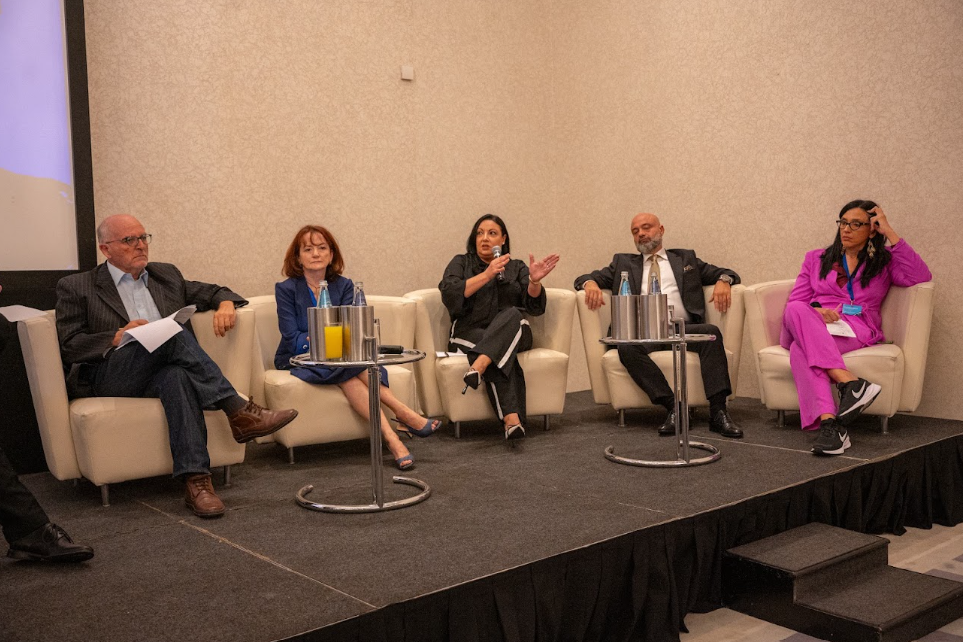
Peter-Jan Grech, Founder of BRNDWGN and host of the UnBrand Me Podcast, moderated a business panel with Robert Fenech of KM Malta Airlines, Ruby Muscat of MoneyBase at Calamatta Cuschieri, and Raymond Bonnici, Chief People Officer at APS Bank. The panel examined what inclusion looks like in practice, without the polish of prepared answers.
A fireside chat with Clayton Mercieca from the Human Rights Directorate brought the argument closer to home, exploring how organisations distribute recognition, reward and career opportunity and who tends to be left out. He also explored men looking more and more in to care “jobs”, and said that statistics show parental leave uptake has drastically increased in recent years and men are eager to take care of their parents children and partners a role which is generally unpaid and traditionally done by women.
The afternoon's workshop, led by neurodiversity consultant Joseph K Muscat, analysed two real employment tribunal cases — closed in 2025 and 2026 — to map the legal landscape around reasonable accommodations, employer responsibility and liability.
Dr Gatt's closing reflections connected the legal lessons back to artificial intelligence: when an algorithm affects an employment decision, the question of accountability does not disappear. It sharpens.
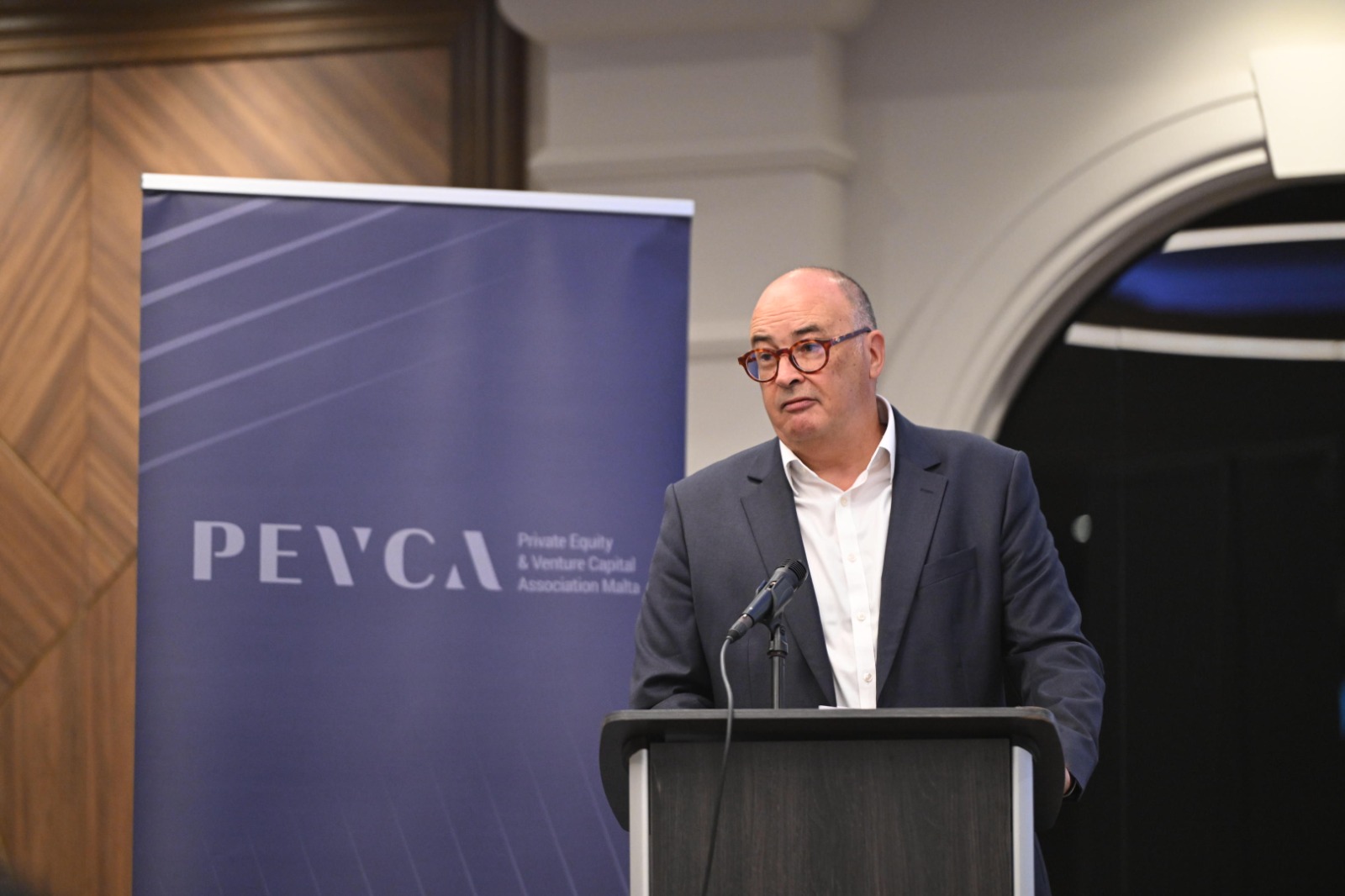

‘We need to break the cycle’: MHRA CEO calls for rethink of Malta’s tourism growth model
The MHRA CEO joined four other stakeholders in a much-needed conversation on tourism development.
‘Value is about much more than competitive prices’ – The Convenience Shop CEO
The CEO believes value is also delivered through ‘the overall shopping experience, product quality, location, and trust.’
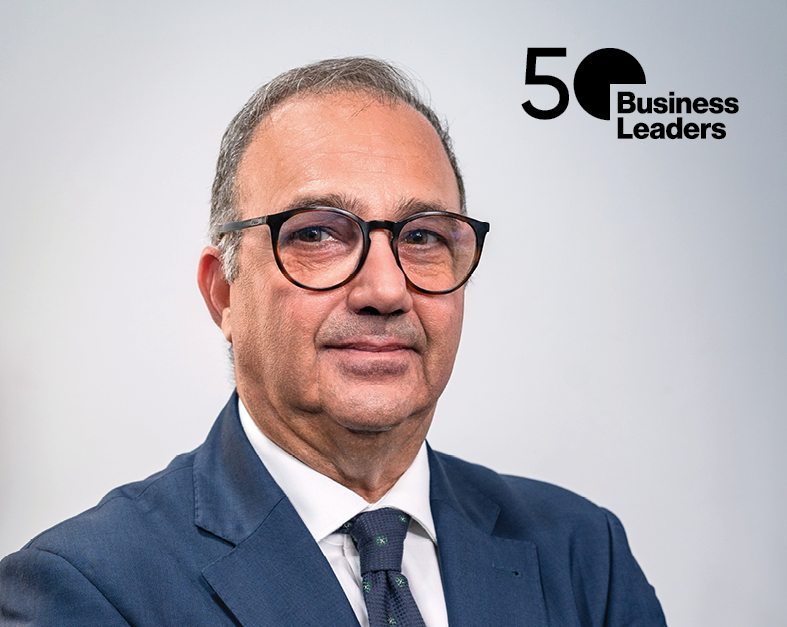
Emanuele Grimaldi takes the helm at the Malta International Shipowners Association
A founding member of MISA, he has extensive experience in leading other shipping bodies.

Izola Bank appoints Edward Grech as new Head of Finance and Treasury
The bank said that the appointment is effective from 14th October.
