



A LinkedIn post by Recruitment Director Emanuel Zammit focused on the use of counter offers as a retention strategy, arguing that employers often address symptoms rather than underlying workplace issues when employees resign.
In the post, Mr Zammit describes a familiar scenario in today’s labour market: An employee tenders their resignation, only to suddenly be presented with a pay rise, promises of progression, or a potential promotion in an attempt to persuade them to stay.
Mr Zammit’s central argument is that counter offers rarely solve the reasons why employees begin looking for new opportunities in the first place.
“Counter offers are usually a short-term patch on a long-term issue,” he said, noting that compensation is often not the primary driver behind a job search.
According to Mr Zammit, factors such as leadership style, career progression, workplace culture, recognition, and flexibility tend to play a larger role in an employee’s decision to explore the market.
He stated: “People rarely explore the market purely for money. It’s often leadership, progression, culture, recognition, flexibility. A reactive pay rise doesn’t fix structural problems.”
The post also highlights the potential impact of counter offers on trust between employer and employee. Mr Zammit argues that once an individual has made the mental decision to leave, the dynamic changes.
“Once someone has mentally resigned, the psychological contract shifts. Employers may question loyalty. Employees may question why it took leaving to be valued,” he wrote.
He further suggested that counter offers can create internal tensions, particularly if other employees perceive that resigning is the fastest way to secure better terms.
“When businesses reward resignation instead of performance, what message does that send to the rest of the team?” he asked.
Mr Zammit also pointed to what he described as a recurring pattern in recruitment, where employees who accept counter offers eventually leave anyway.
“In many cases, the employee moves on within 6–12 months anyway. The underlying drivers resurface. The market is still there,” he wrote.
From this perspective, counter offers may delay turnover rather than prevent it, while potentially increasing costs and uncertainty for employers.
Rather than relying on reactive measures, Mr Zammit argued that organisations should focus on long-term retention strategies built around engagement and clear development pathways.
“Counter offers shouldn’t be a retention strategy,” he said, adding that proactive leadership, competitive benchmarking, and meaningful employee engagement are more effective approaches.
He concluded with a question aimed at senior leaders: “Are we retaining people because they want to stay or because we made it expensive for them to leave?”
The post reflects a wider conversation within Malta’s business community around talent retention, leadership culture, and the evolving expectations of employees in a competitive labour market.




IDC Malta launches Boardroom Excellence Workshop Series 2026
The initiative is designed for both current and aspiring directors as well as senior executives.
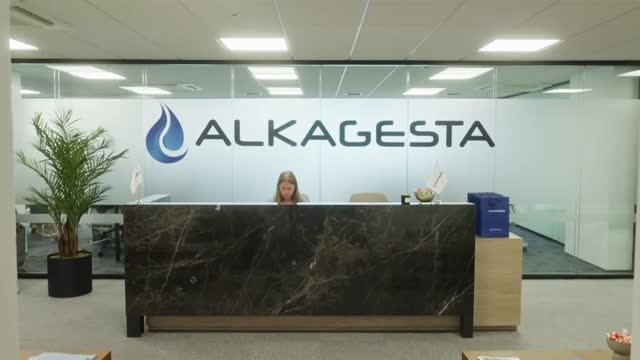
Alkagesta secures access to NATO pipeline to supply fuel to Europe’s biggest airports
The pipeline stretches roughly 5,300km across Northwest Europe.

Malta’s merit-based citizenship framework is taking shape – but key questions remain
Things are (a bit) clearer.
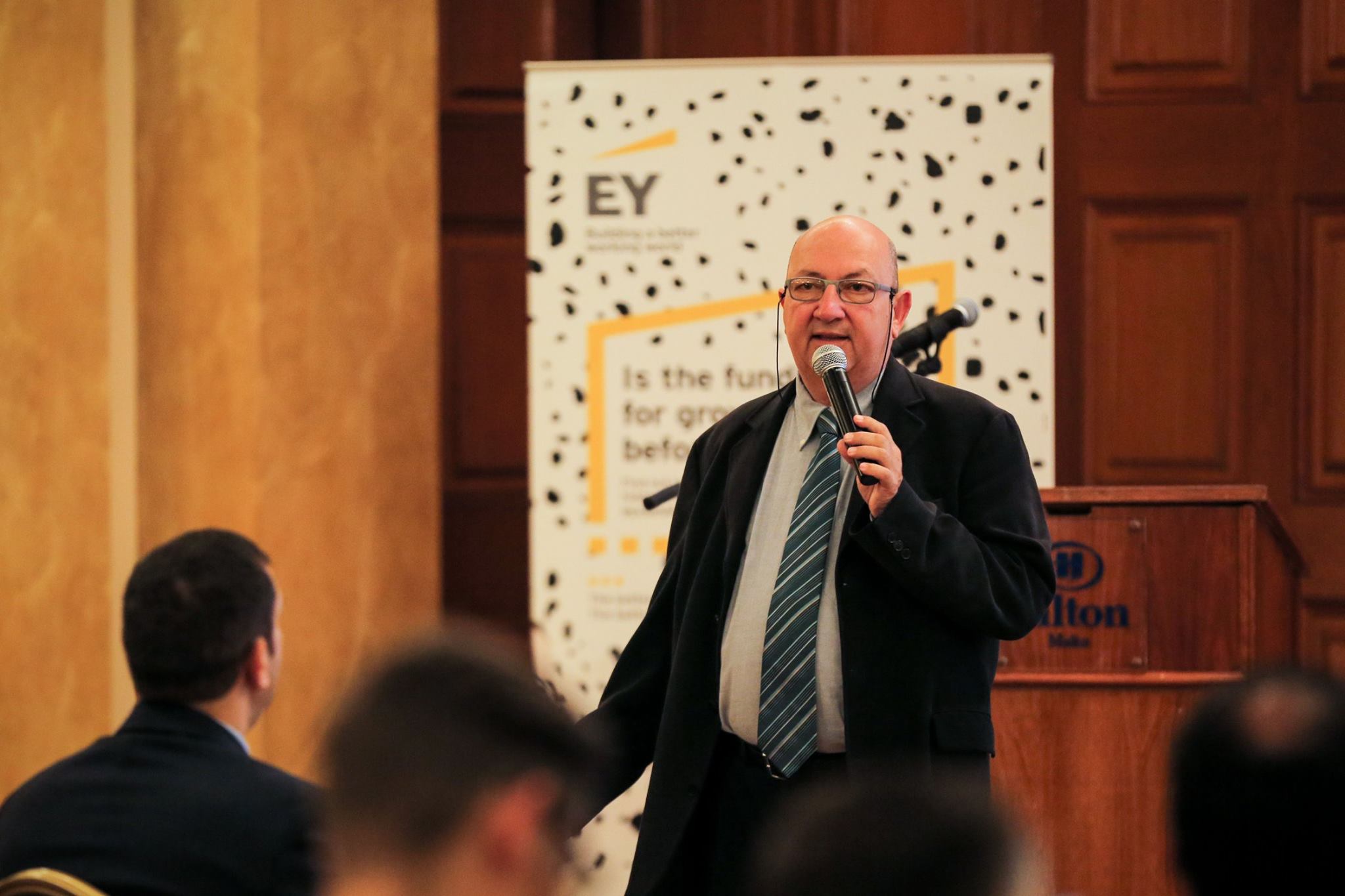
HSBC Malta names Anthony Doublet as Non-Executive Director
He brings more than four decades of professional experience to the role.
