


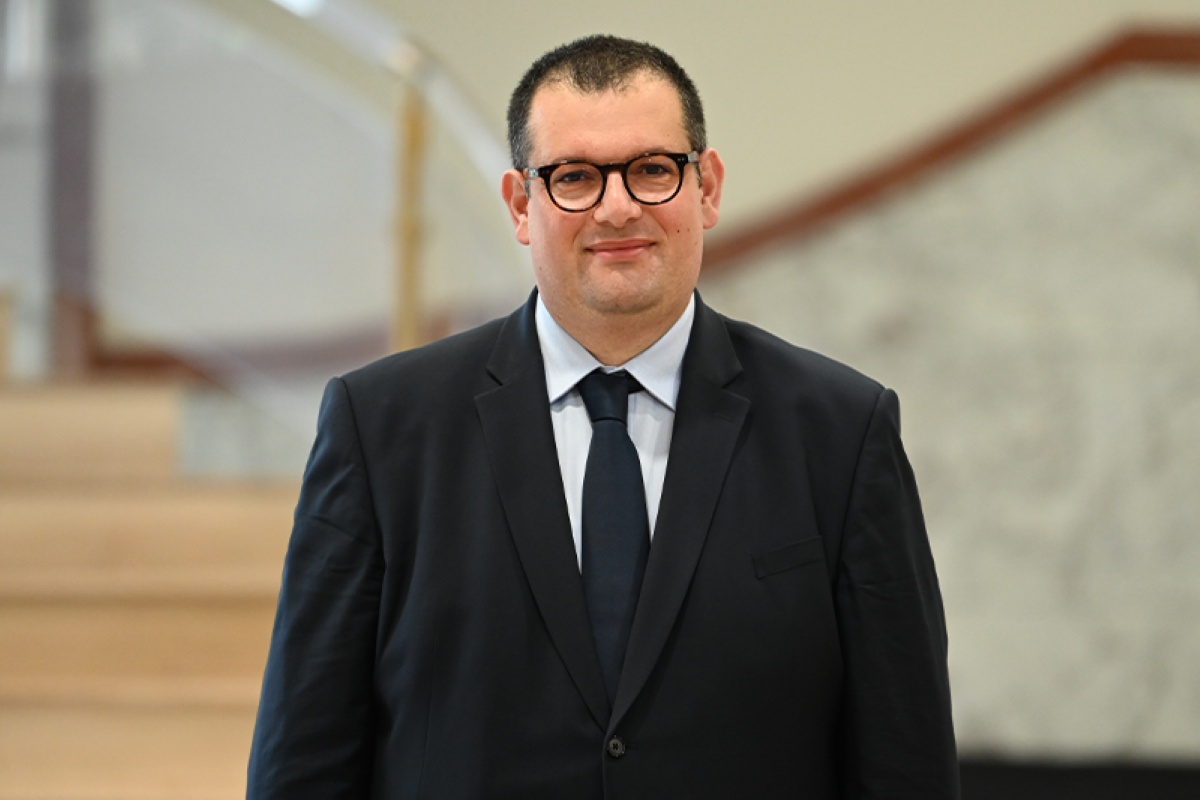
Europe’s ambitious regulatory framework for digital assets has put the region at the forefront of responsible crypto oversight. However, Malta Financial Services Authority (MFSA) CEO Kenneth Farrugia has stressed that regulators must remain fast-moving and collaborative in order to maintain this advantage as the sector grows at pace.
Speaking to crypto-currency news outlet CoinDesk, Mr Farrugia said the European Securities and Markets Authority’s (ESMA) recent peer review of Malta’s crypto regulatory regime served as a valuable opportunity to demonstrate maturity and transparency.
The review highlighted several areas of strong practice within the Maltese framework, reinforcing confidence among companies looking to licence in the jurisdiction. Where recommendations for improvement were made, the MFSA moved to act immediately. Mr Farrugia confirmed that internal processes have now been revised to ensure full compliance with ESMA’s findings.
He rejected the misconception that Malta’s progress on crypto licensing reflects speed over substance. Rather, he emphasised that the groundwork was laid through years of preparation.
“Under no circumstances did we compromise on rigour, oversight, or regulatory integrity,” he noted.
Long before MiCA entered into force, Malta had already constructed a comprehensive supervisory framework. The Virtual Financial Assets (VFA) Act of 2018 aligned closely with established EU financial rules, while the MFSA invested in the skills and infrastructure needed to oversee the emerging sector.
These early steps enabled Malta to become a testbed for licensing and supervision, giving operators clarity long before many other jurisdictions began regulating the field. The MFSA also adopted advanced supervisory tools, including blockchain analytics and market monitoring, that are now commonplace in oversight across Europe.
The implementation of the Markets in Crypto-Assets (MiCA) Regulation has positioned Europe as a global standard-setter in digital asset oversight. With the crypto market expected to continue expanding rapidly, Mr Farrugia believes the region must uphold its role as a leader in responsible innovation.
To do so, he said regulators must learn continuously from early implementation experiences, adjusting rules where necessary to avoid stifling growth while mitigating risk.
As activity increases under MiCA, the MFSA has expanded both its supervisory and enforcement operations.
In 2024, supervisory interactions rose to 1,345, a 33 per cent increase over 2023 and triple the number recorded in 2020. Enforcement action has intensified as well, including administrative penalties, directives, cancellations, and formal reprimands.
Mr Farrugia described the MFSA as an agile regulator, but clarified that “no operator has been granted a MiCA licence by the MFSA in a matter of days.”
He added that Malta is one of 11 European countries that have issued MiCA licences to date, demonstrating broad regional alignment rather than isolated action.
With Europe still in the early phase of MiCA implementation, Mr Farrugia believes momentum is essential. Regulators must keep pace with innovation, working closely with industry and institutions to ensure that growth remains safe, competitive, and globally impactful.
He concluded that the ultimate objective is a regulatory ecosystem that supports innovation while safeguarding investors. Europe may hold a leading position today, but preserving it will require constant adaptation and openness to scrutiny.

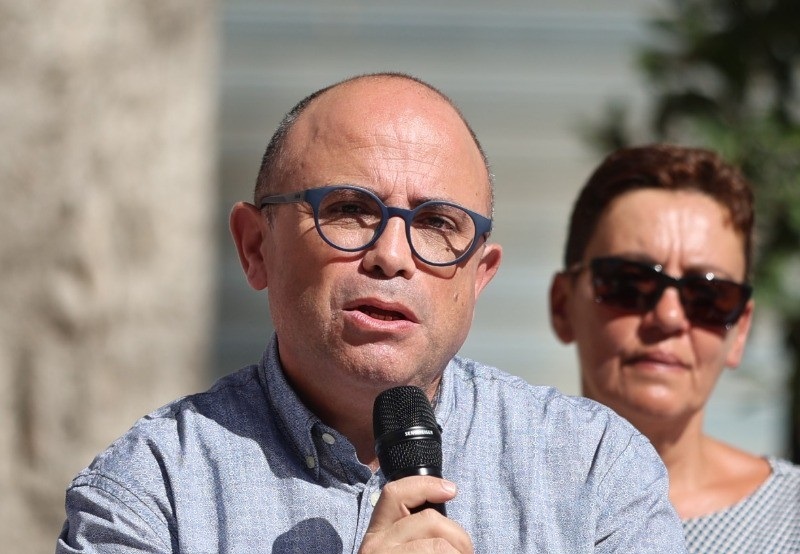


Juergen Attard appointed GRDA CEO as Abigail Camilleri becomes first female Chairperson
The GRDA is tasked with supporting and facilitating regional development in Gozo.
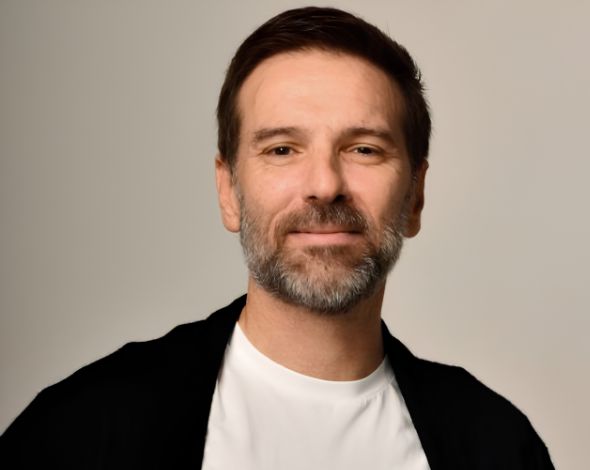
‘This industry sells itself’: MI Global Director confident more young Maltese will get into tourism
He suggested that many young people don’t know what a job in tourism actually entails.

The wine that chose to disappear
What one tiny Saint-Émilion estate might tell us about the future of Bordeaux and perhaps business in general.
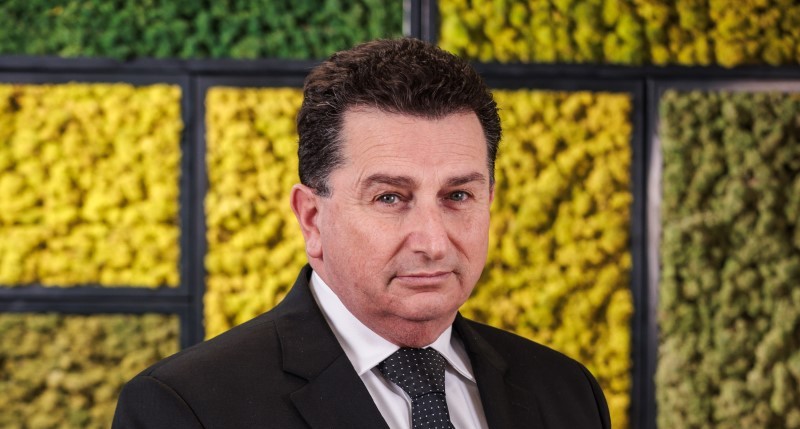
Edward Calleja steps down as APS Bank COO
Edward Calleja has been at the bank for over 34 years and has occupied several roles.
