



HSBC’s top executives, including CEO Noel Quinn, will no longer have private offices within the bank’s Canary Wharf headquarters in London, as the bank joins other global players – including Google and Microsoft – in slashing office space following the largest worldwide remote-working experiment due to COVID-19.
HSBC will be replacing what used to be its executive floor with client meeting rooms and collaborative areas, according to the Financial Times, and its top execs will shift to hot desking.
“Our offices were empty half the time because we were traveling around the world. That was a waste of real estate,” the HSBC CEO told CNN Business, adding “it's the new reality of life.”
Mr Quinn had stated, earlier in the year, that the bank plans to cut its global real estate footprint by 40 per cent in the coming years, in favour of a more hybrid model which will see employees splitting their time between working at the office and from home.
Other UK banks, including Lloyds and Standard Chartered have announced similar plans to do away with expensive office space in favour of flexible working arrangements.

‘Man and machine, not man versus machine’ – Malta Employers’ Association DG on AI use
The association has made a number of proposals for the upcoming Budget related to AI.
‘Malta remains attractive, but must not become complacent’ – Malta Chamber president
'Our competitive advantage cannot simply be access to labour. It must be access to talent,' he said.
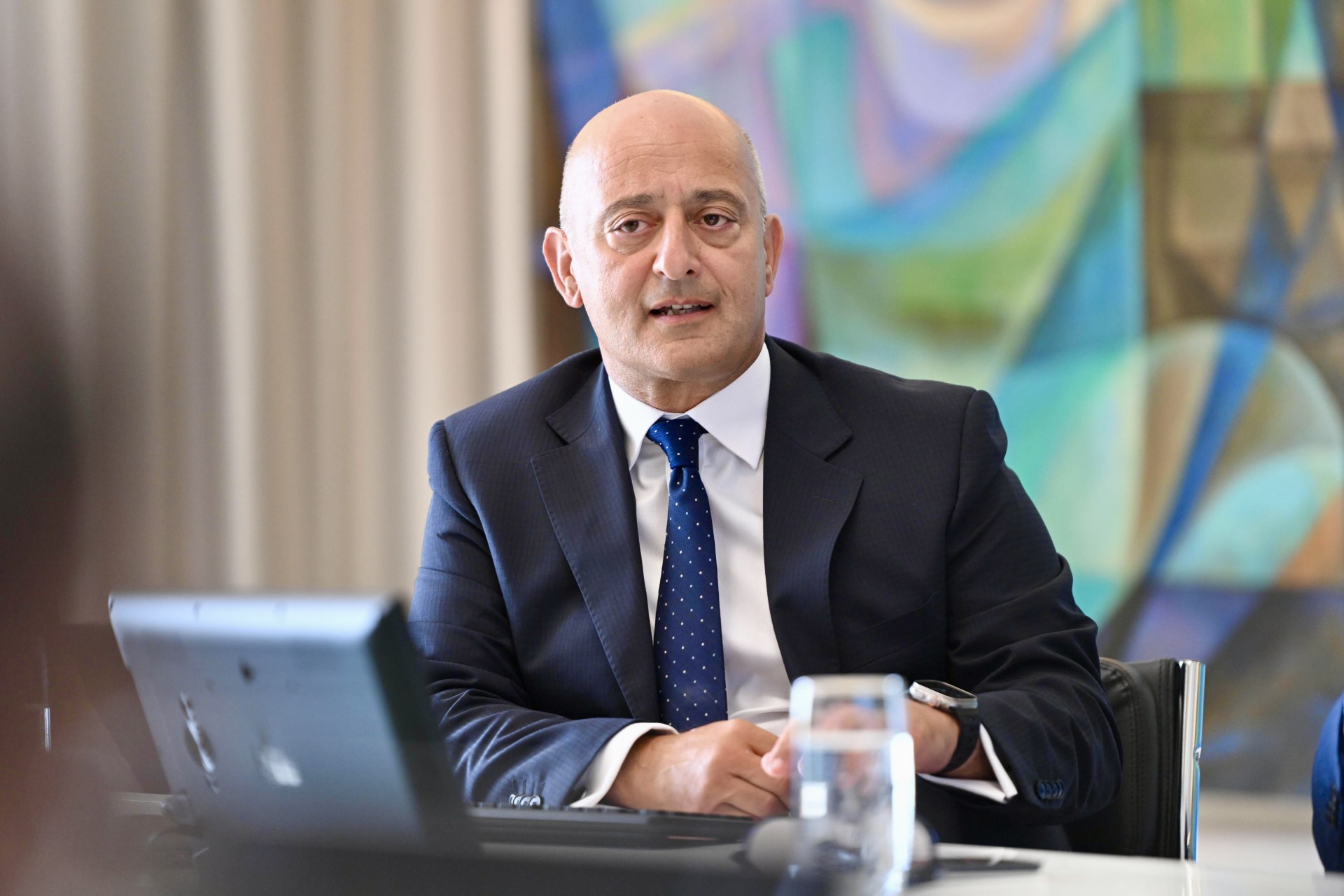
BOV CEO: Traffic congestion affecting employees’ work-life balance, but not bank operations
One in four BOV employees made use of flexible working arrangements in 2025, as the bank seeks to minimise the ...
Businesses should heed the lesson in Revolut’s nightmare Tuesday
Melita’s Roderick Farrugia and BMIT’s Sean Cohen urge companies to review their vulnerability to single points of failure.
