


Here’s my second of three micro-articles on New Year’s goals and resolutions. This one might be controversial… but it’s worth putting out there.
I genuinely believe that leaders are there to make their employees’ lives better, not just their CVs.
If you’re an employer who truly cares about your people (Human-first leadership), have a conversation about how you can support their personal goals, not just their career ones.
Many leaders talk about “being a family”, but in reality, what they often mean is: “We care… as long as it serves the company.”
That’s where the term “being a family” gets overused. Organisations aren’t families, but they are environments which shape behaviour, wellbeing, and performance.
Truth be told, many of your people will have set personal goals for this year. And many will abandon them within a few days, not because they lack motivation, but because life takes over. And yes, that includes your organisation's targets, deadlines, and priorities.
Here’s an idea for you... If you genuinely care about wellbeing, help your people become better humans outside of work, not just better performers inside it.
Someone wants to learn the drums, guitar, or piano? Help pay for lessons, buy shared equipment, or let them open the next team event. You’re not funding a hobby. You’re investing in discipline, confidence, and creativity.
Someone wants to train for a half marathon or improve their health? Don’t just cancel lunchtime meetings. Pay the race entry, organise a training group, or give them a recovery day. Healthy people perform better. This isn’t news anymore.
Someone wants to write, paint, or create outside work? Offer a small creative grant, protect focus time, or give them a platform to share. Creation outside work sharpens thinking inside it.
Someone wants to learn a new language or study something unrelated? Fund the course. Curiosity compounds in ways spreadsheets can’t measure.
Someone needs more time with their child during a difficult phase? Go beyond flexible hours. Rebalance the workload, redefine success temporarily, and protect their role. True, you’ll need to make sure you are being fair with other team members too, but that's how trust is actually built.
And yes, there are economic benefits for your organisation whenever you take a human-first strategy. A healthier workforce:
- performs better
- is more engaged
- stays longer
...which in turn increases your organisation’s chances of hitting its 2026 financial goals. Also, the cost of supporting people is almost always lower than the cost of replacing them.
This isn’t soft leadership. This isn’t about saying yes to everything. It’s about being intentional about what you support. It’s Human-First Leadership, which gives organisations a competitive advantage over those who see employees as just numbers, replaceable by AI at any time.
Be honest: Which of these examples made you slightly uncomfortable... and why?


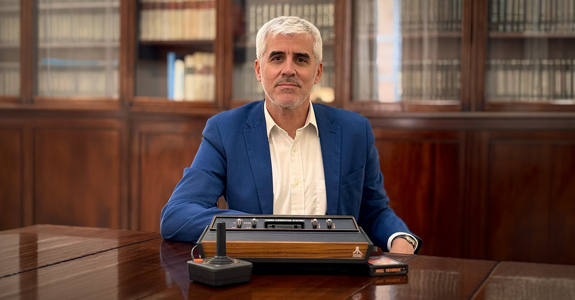
Fenech & Fenech Advocates appoints Antonio Ghio as Chief Innovation and Technology Officer
Antonio Ghio is an IT Law expert and has been with the firm for the past 25 years.
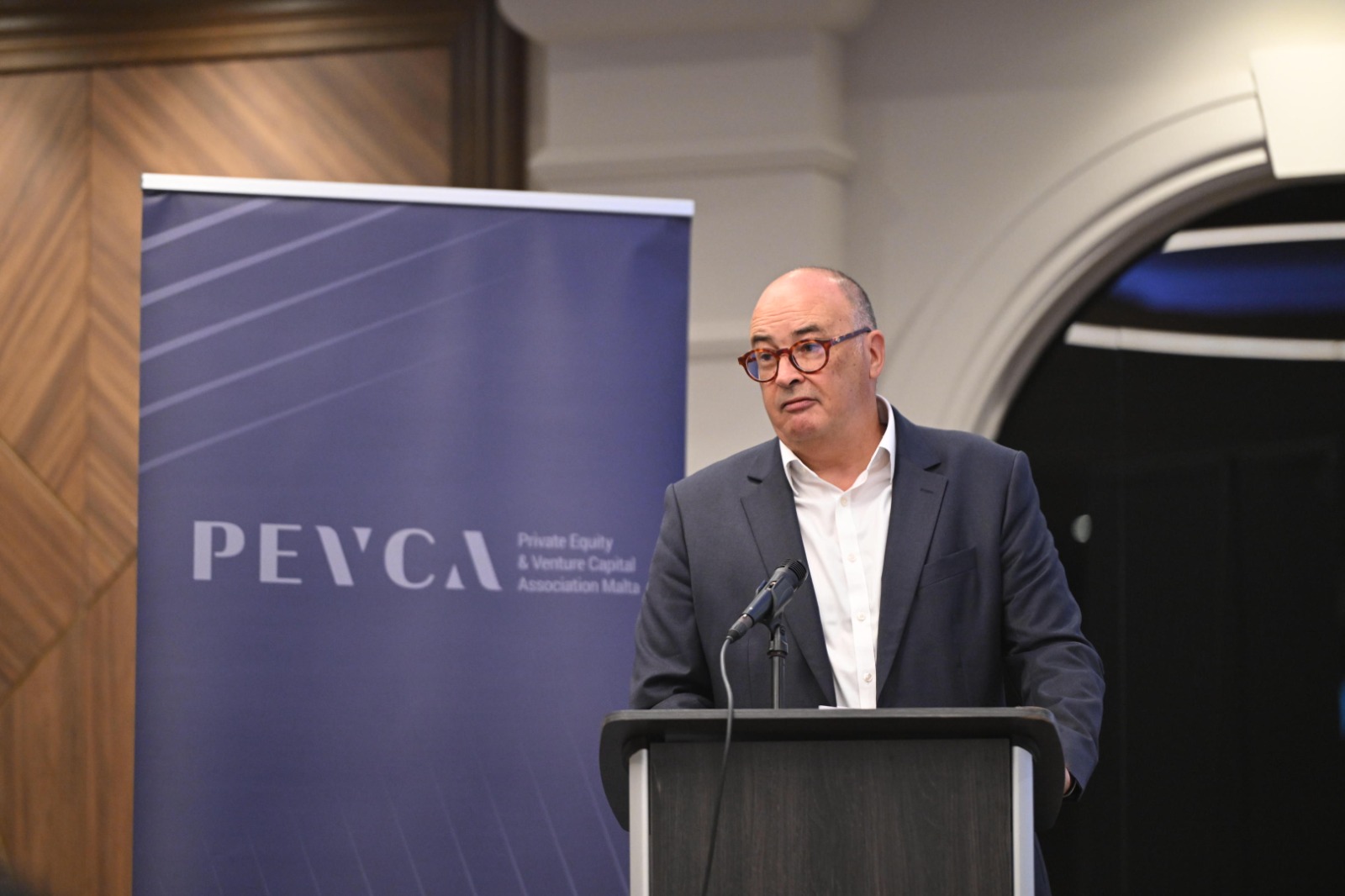
‘Considerable potential’ for Malta to develop as a private equity and venture capital hub – PEVCA head
He said that private equity and venture capital play a vital role in modern, innovation-driven economies.
Nancy Pavlaki appointed Chief Financial Officer at Ramla Bay Resort
Prior to taking up the post, she worked in a number of financial positions in the hospitality industry.

Kyle Antoni Pace Cumbo appointed Chief Commercial Officer at Iniala
'I’m incredibly excited about what comes next,' he said.
