



While the global C-suite’s world outlook remains uncertain, this business class is adopting a strategy of confident investment over cautious retreat. According to the newly released KPMG 2025 Global CEO Outlook, business leaders worldwide are channelling their resources into two critical areas: Artificial Intelligence (AI) and their people.
While confidence in the global economy has dipped to 68 per cent – a low not seen since the pandemic – a resounding 79 per cent of CEOs are optimistic about their own company's growth prospects. For Maltese business leaders navigating a similar landscape of local and international challenges, this global shift offers a possible playbook.
It’s all about AI and talent
The report identifies a two-pronged approach being adopted by 71 per cent of CEOs: significant investment in generative AI and a focus on retaining and retraining high-potential talent.
This is not a distant future plan. CEOs are acting now, with 72 per cent having already adjusted their growth strategies to tackle interconnected challenges. The expectation is clear: they foresee rising revenues and an expanded workforce within the next three years.
Bill Thomas, Global Chairman & CEO of KPMG International, stated, “It’s clear from our findings that CEOs are finding opportunities from disruption by investing boldly in technology, innovation and talent... the leaders who can embrace market volatility and focus investments in the right strategic areas for their organisation will be the ones best placed to unlock new opportunities.”
Some insights:
- Accelerated investment: 71 per cent of CEOs now rank AI as a top investment priority, a significant jump from 64 per cent last year. Nearly 70 per cent are allocating between 10-20 per cent of their budget to AI initiatives.
- Faster returns: Confidence in achieving a return on investment (ROI) has accelerated dramatically. Most CEOs (67 per cent) now expect to see ROI within one to three years, a much shorter timeframe than the three-to-five-year horizon projected in 2024.
- A call for experimentation: A striking 84 per cent of leaders believe that encouraging AI experimentation at all employee levels is key to successful adoption.
However, this rapid adoption is not without its hurdles. CEOs globally are grappling with ethical challenges (59 per cent), data readiness (52 per cent), and a lack of clear regulation (50 per cent).
For Malta, this underscores the urgent need for frameworks and a continued national conversation on AI ethics.
It seems that the island is embracing the AI revolution. A recent Eurobarometer survey has revealed that Malta is one of the most positive countries in the EU regarding the use of artificial intelligence (AI) at work. The findings suggest a strong belief among the Maltese that AI will enhance their workflow and efficiency.
The human element: The scramble for ‘AI talent’
The report makes it clear that technology is nothing without the talent to wield it. The competition for skilled professionals is fierce.
- 77 per cent of CEOs agree that workforce AI upskilling is directly tied to their organisation’s future prosperity.
- 70 per cent see the competition for AI talent as a major constraint on their success.
- In response, 79 per cent of CEOs are rethinking their training and development programs, while 61 per cent are actively hiring new talent with AI skills.
“This is where a rounded and people-centered employee value proposition continues to be key,” commented Sandy Torchia, Global Co-Head of People at KPMG International. She added that managing a multi-generational workplace, with its varying skills and expectations, is a new strategic imperative for boardrooms.
ESG: Rising confidence and the role of AI
On the sustainability front, global CEOs are showing increased confidence in meeting their climate goals. Sixty-one percent now say they are on track to hit their 2030 net zero targets, up from 51 per cent a year ago.
Notably, CEOs are increasingly looking to AI as a tool for achieving these goals. Top use cases include improving sustainability data reporting (79 per cent), identifying resource efficiency opportunities (79 per cent), and reducing emissions (78 per cent).
For Maltese companies facing EU sustainability reporting mandates, this synergy between AI and ESG could be a game-changer.
The KPMG 2025 CEO Outlook provides several critical insights for Maltese CEOs:
1. Adopt a dual-track strategy: Prioritise investment in AI and talent development in tandem. One cannot succeed without the other.
2. Accelerate AI integration: Move beyond experimentation and integrate AI into core business strategies, with a clear focus on achieving measurable ROI in the short-to-medium term.
3. Foster a culture of learning: Encourage AI literacy and experimentation across all levels of your organisation. Transparent communication about AI's impact is crucial for employee buy-in.
4. Tackle governance head-on: Proactively address the ethical, data, and regulatory challenges of AI to build a foundation of trust and agility.
5. Leverage AI for sustainability: Explore how AI can help meet increasingly stringent ESG reporting requirements and drive operational efficiencies.
In a complex global environment, the message from the world’s top CEOs is one of proactive resilience. For business leaders in Malta, the path to sustainable growth appears to be paved with strategic technological adoption and an unwavering commitment to their people.
Find the full report here.

‘Growth comes from being willing to take calculated risks’
Darren Ciantar, founder and CEO of Ciantar Group, traces the ambitions, opportunities and uncertainties that have helped shape the enterprise.
The next step must be about productivity
'We cannot keep addressing every labour shortage by adding more workers.'
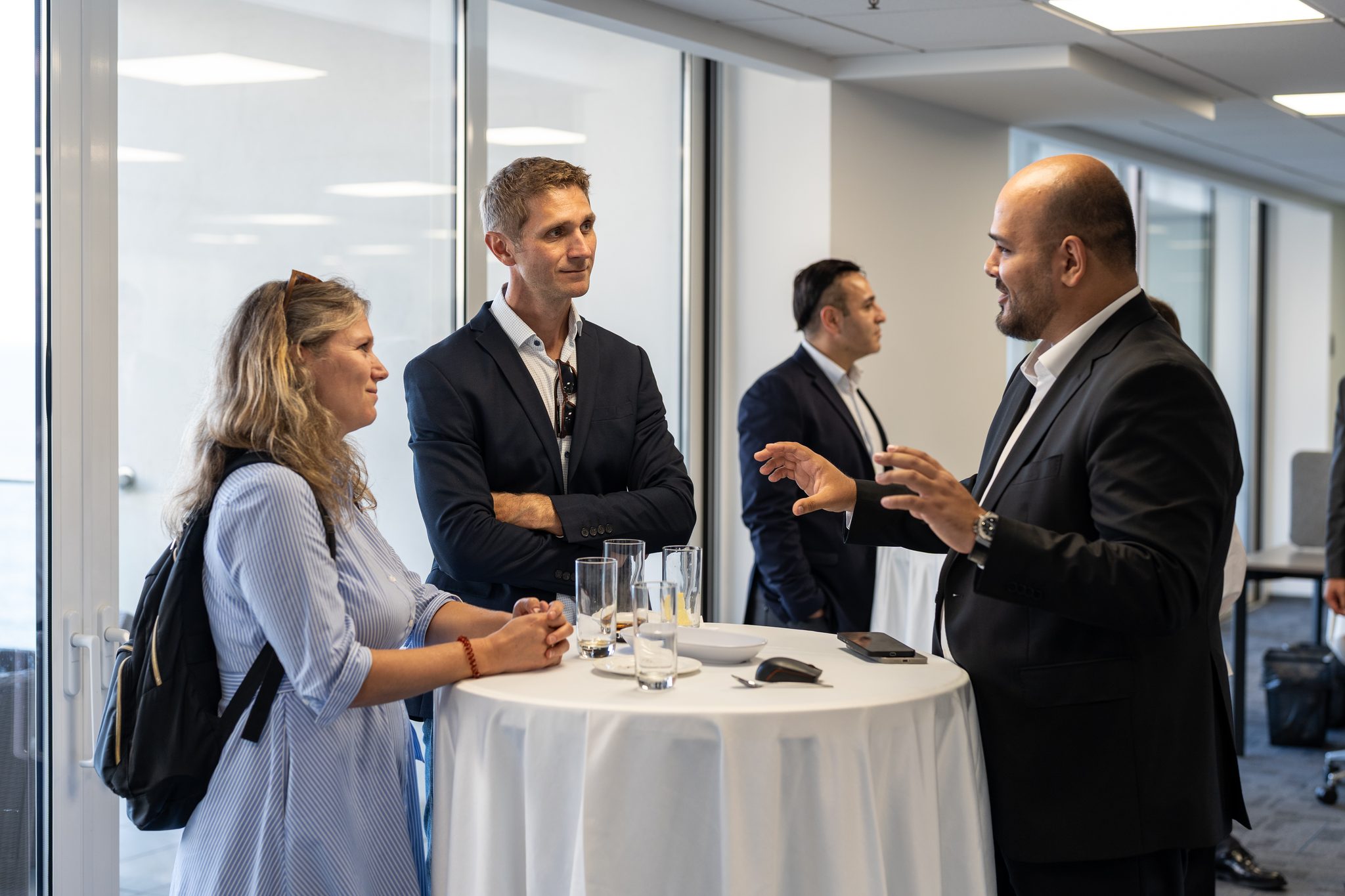
Alkagesta’s banking summit in Malta draws partners from across Europe’s financial centers
The gathering reflected the scale of the company's global ambitions and the growing confidence of the international financial community in ...

Six workforce indicators every CEO should be tracking
Workforce data can offer CEOs an early indication of emerging business challenges.
