


In the fast-paced world of entrepreneurship, a pervasive myth suggests that founders must launch a new venture within six weeks of selling their previous business, or risk losing their edge.
This idea, often perpetuated by high-profile figures like Elon Musk, Gary Vaynerchuk (Gary Vee), and Steven Bartlett, has become ingrained in startup culture. But is this timeline realistic, or even advisable?
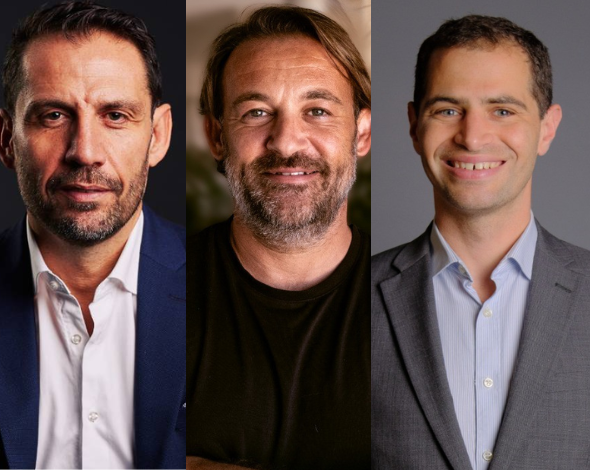
Three of Malta’s leading experts in business growth, mergers, and exits - Simon Azzopardi, Jonathan Shaw and Thomas Cremona - challenge this notion, arguing that taking a strategic pause can be far more valuable than rushing into the next venture.
The pressure to rebound quickly
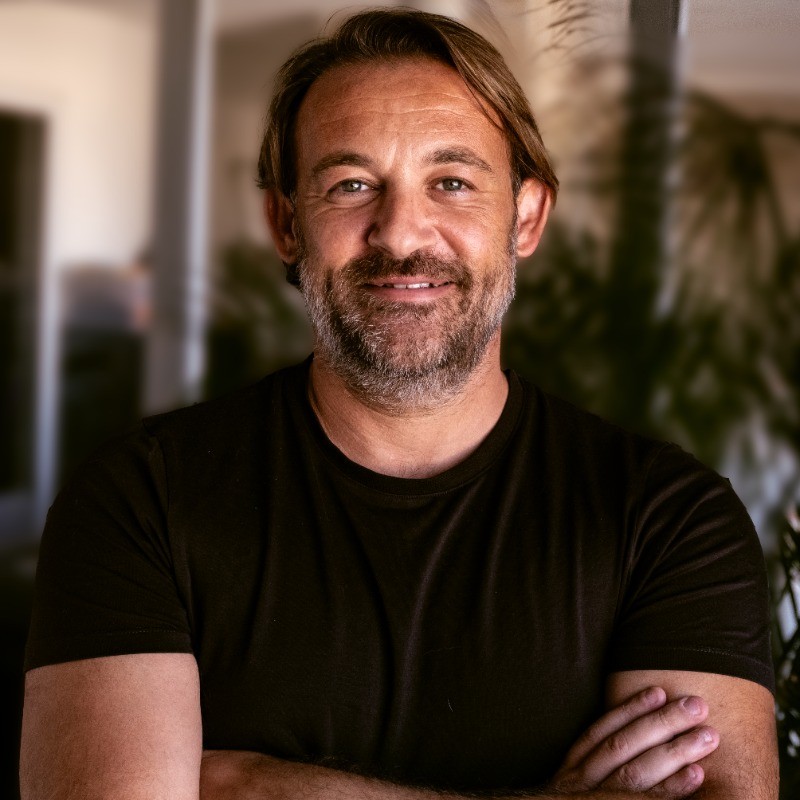
The idea that entrepreneurs must dive straight into a new venture comes from a culture that glorifies nonstop hustle, explains Simon Azzopardi, a former CTO/CPO of multiple startups and scaleups across banking, insurance, SaaS, and gaming, as well as an investor, Executive Director at Izla, and Chairperson at Silicon Valletta.
The fear here is that delaying a new startup means losing momentum, market opportunities, or even one’s competitive drive.
“If you sell your company and don’t start the next one within six weeks, you’ve somehow lost your edge. It’s this Elon-GaryVee-Stephen Bartlett effect. Founders who thrive on momentum, public platforms, and the next big mission. And hats off to them. Seriously. But it’s not the only path,” he says.
“I know plenty of founders who exited their businesses and didn’t look back. They started mentoring startups, travelling the world, or just… lived. One even took up farming and couldn’t be happier,” he adds.
It’s not about wasting potential, Mr Azzopardi says, it’s about realising we’re allowed to have different dimensions, choices, decisions.
“Just because you were one kind of entrepreneur for ten years doesn’t mean you owe the world a sequel. You can build a business, and then choose to build a slower life. You can be driven and still want stillness.”
In fact, he argues, that being able to fill your life in such a drastically different way, which is equally you, just different, is even more inspiring.
“That is a much fuller life with newer experiences. Let us all aspire to have as many dimensions as possible in our finite lives. Let's go all in, on as many dimensions as possible.”
Jonathan Shaw, a business leader with extensive experience in post-merger transformations and startup growth, dismisses this idea.
“I totally disagree; and that’s probably why it’s a myth,” Mr Shaw says.
“Most entrepreneurs already know what they want to do before selling a company, while others genuinely need a complete break. If the break is too long, it might be harder to re-enter the game, but everyone is different. Rushing into something new - especially when financially comfortable - can be risky.”

Mr Shaw, who led the successful merger and rebranding of Welbee’s supermarkets before stepping down to pursue new ventures, emphasises balance.
“Ideally, one stays connected and keeps all doors open, but without a rigid timeline.”
Reflection and balance over constant hustle
Thomas Cremona, an entrepreneur who successfully exited his property management firm Casa Rooms before founding idisav - a consultancy specialising in exit planning and fundraising - agrees that arbitrary deadlines can be counterproductive.
“I think it’s short-sighted to define entrepreneurial drive by a six-week timeline,” Mr Cremona says. “Most entrepreneurs don’t start businesses simply to stay busy; they do it because they believe they can make a meaningful impact.”
He notes that exits vary widely - many are modest rather than life-changing - and founders should take time to reflect before diving into their next move.
“Taking time between ventures isn’t a sign of lost edge; it’s often a sign of maturity, discipline, and a deeper sense of purpose.”

He also highlights the psychological shift many entrepreneurs face after an exit. “Many find it difficult to transition into traditional employment - not out of arrogance, but because they’re wired to build, not maintain.”
A case for strategic patience
All leaders underscore that entrepreneurship is not a race. While some founders thrive on rapid-fire ventures, others benefit from stepping back, reassessing their goals, and waiting for the right opportunity.
The key takeaway here is that there is no universal rule. Some entrepreneurs may feel reinvigorated by launching a new project immediately, while others need time to recharge, gain perspective, or explore different industries. What matters is intentionality, not an artificial deadline.
In a world obsessed with speed, the real edge might just come from knowing when to pause.



Maresca Demanuele starts new role as Senior Manager at Siemens’ Dutch wind farms
She will be working on the Hollandse Kust offshore wind farm regions in the Netherlands.
Appeal reform welcome, but ending speculation requires deeper changes, says KTP President
‘Unfortunately, the general belief is that issuing or refusing permits is planning,’ said Andre Pizzuto. ‘It's not.’

Christian Debono joins VCFC as Chief Commercial Officer
'After 27 incredible years with HSBC, it’s time for a new chapter,' he said.
€6.9m subsea cable deal ‘the foundation for what we want to build in Cyprus’ – BMIT CEO
CEO Christian Sammut said BMIT ‘set out to broaden what the company is built on.’
