


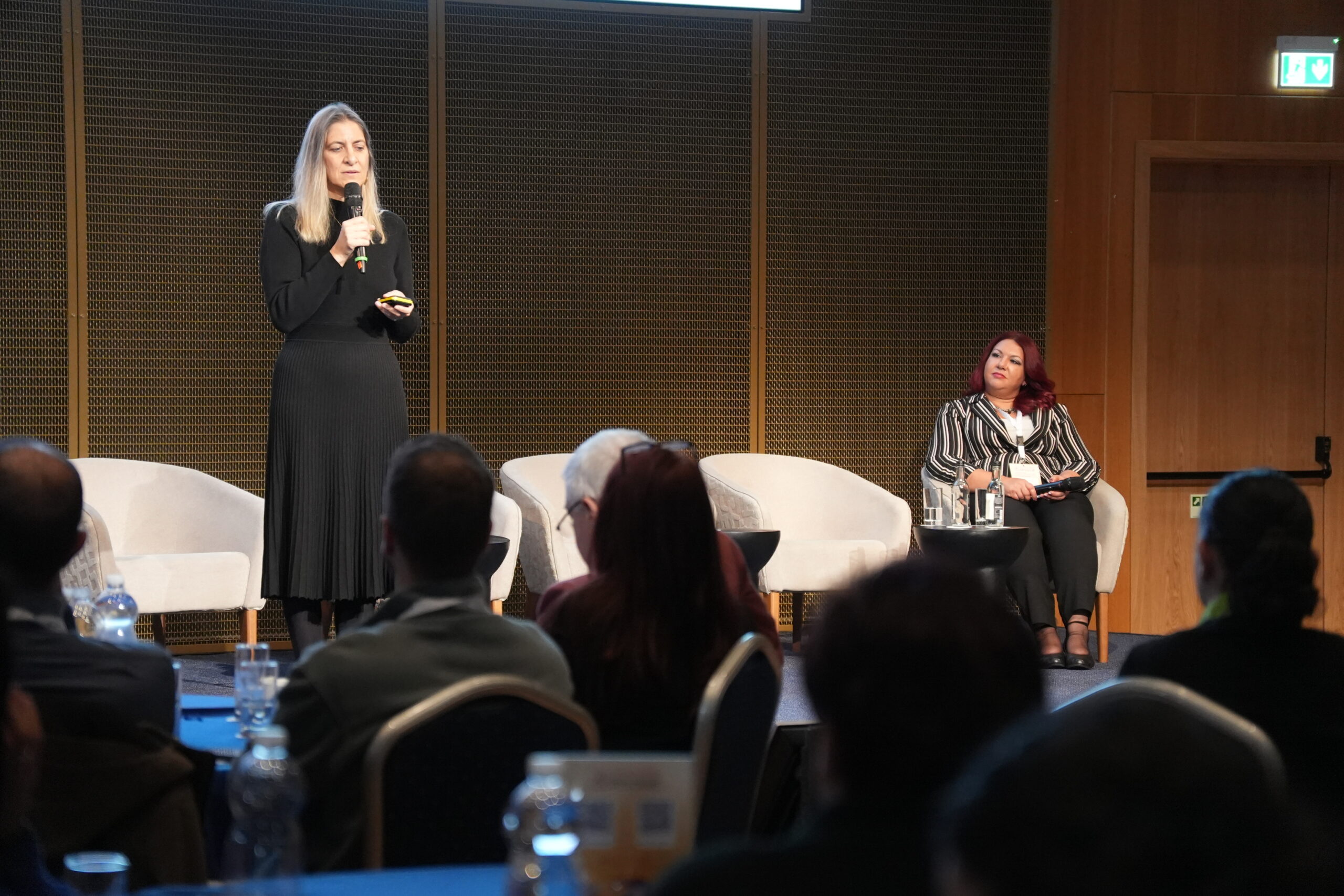
When the word conflict came up during a recent session on resolving workplace conflict – The Hygeia Conference, hosted by Working Town and Richmond Foundation – the room filled quickly with negative associations: stress, hassle, drama. It’s a natural reaction. As humans, our brains are wired with a bias that interprets conflict as danger rather than opportunity.
But the conversation, led by Mikela Fenech Pace, HR Consultant, and Sue Falzon, Mental Health Lead at the FIDEM Foundation, invited the room to rethink that instinct entirely.
Mikela’s acacia tree: A different way to see conflict
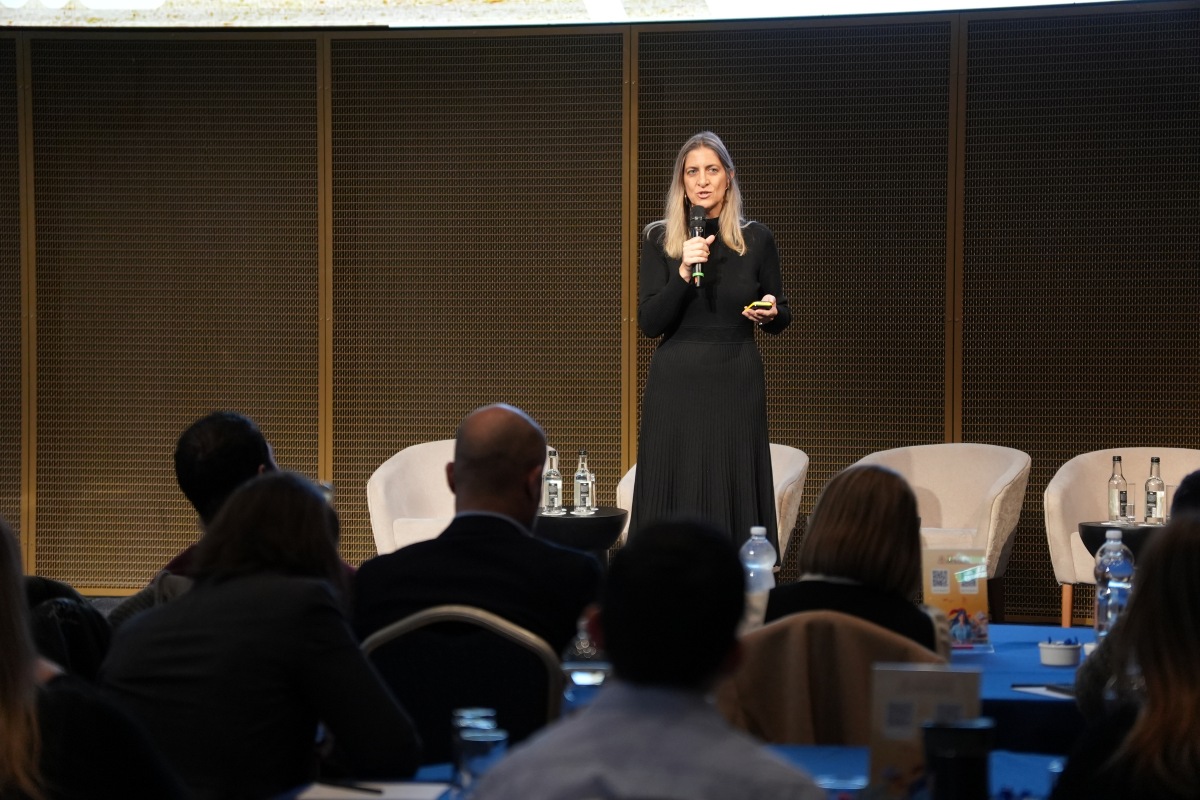
Ms Fenech Pace opened the session with a powerful image from Somali culture: the acacia tree.
When tensions arise in a community, people gather under the shade of its branches to talk, with no sides and no hierarchy. A circle where the branches above belong to no one, symbolising neutrality and shared humanity.

Under this tree:
- Shade keeps emotions regulated: “We can’t get anywhere if we’re not calm,” Ms Fenech Pace reminded the room.
- People begin simply, often with silence, and state their position without aggression: “Your camel trampled on my field.”
- Instead of leaning back defensively, they lean forward, out of curiosity, not threat.
- They move from statements to interests:“I’m very worried that I won’t have grass.”
Once the underlying needs surface, solutions become easier to find. The intention is not to punish but to restore balance through recognition.
This raised an important question from Ms Fenech Pace:
In our workplaces, how often do we pause long enough to acknowledge each other’s deeper needs?
Glass offices vs shade trees
Ms Fenech Pace also pointed out how modern office environments, especially glass meeting rooms, can make people feel exposed, vulnerable or even humiliated. They are the opposite of the acacia tree’s calming shade.
Her message was clear: if we want healthier conflict, we need to create conditions that lower defenses rather than heighten them. This means changing not just how we communicate, but the environments we communicate in.
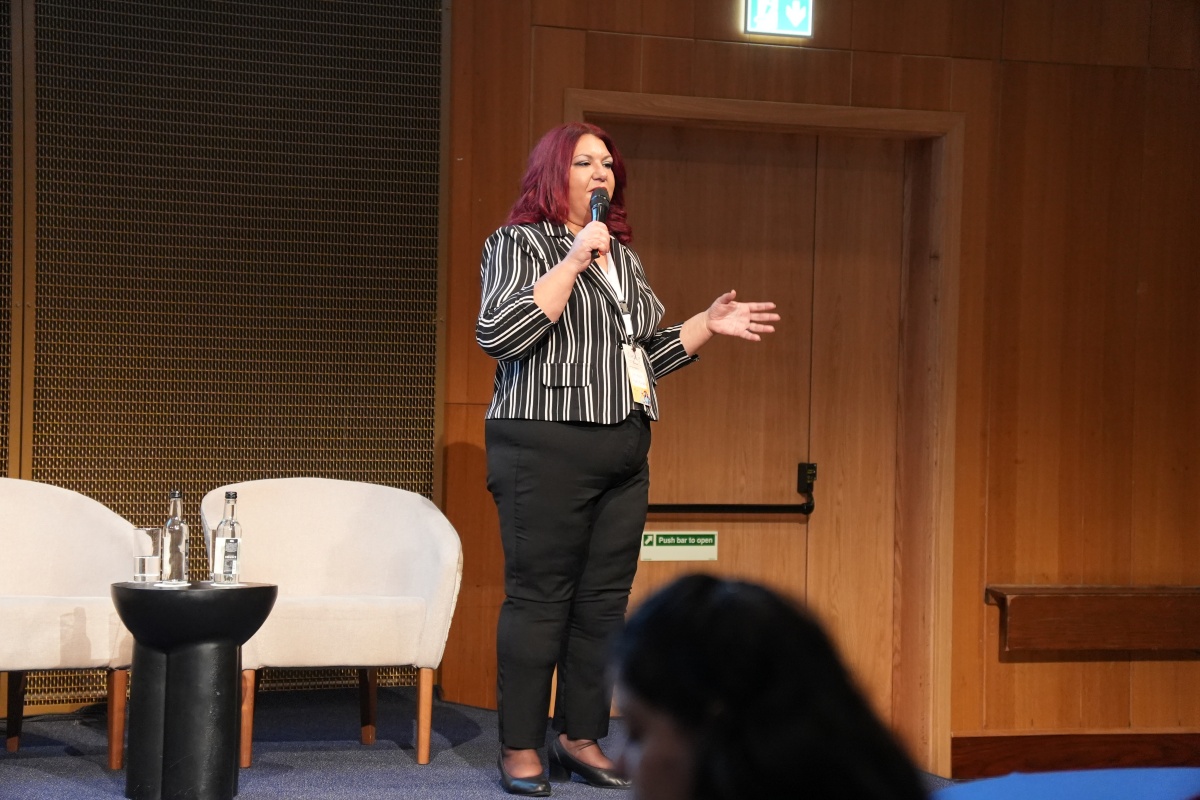
Taking the discussion further, Sue Falzon reframed conflict in a way that surprised many of us. Conflict, she said, is not inherently “drama.” The drama comes when we forget to look at the other side.
Handled well, conflict becomes a builder of resilience. Teams can come out of disagreements feeling stronger, with a sense of:“We managed this. No matter the challenges, we got through it together.”
According to Ms Falzon:
- Healthy conflict makes people feel seen and heard
- It increases psychological safety
- It leads to more cohesive teams
- Productivity rises when conflict is addressed instead of avoided
She even noted that couples who navigate conflict well tend to have more successful, long-lasting relationships. The principle applies equally to organisations. Most of the time, the important part is learning how to resolve a conflict instead of avoiding it.
Five types of workplace conflict
Ms Falzon walked us through the distinct forms conflict can take:
- Task conflict – disagreements about the work
- Relationship conflict – interpersonal friction
- Process conflict – disputes about how work gets done
- Value conflict – differences in principles or beliefs
- Structural conflict – the result of systems, roles, or hierarchies
This prompted a crucial reflection: Is the institution helping people resolve conflict, or making it harder?
How do we resolve conflict well?
Drawing on both speakers’ insights, a framework emerged: practical, grounded and deeply human:
- Active listening: Listening to understand, not respond.
- Dropping judgemen: Assuming positive intent shifts the tone instantly.
- Reflection before reaction: Creating our own version of the acacia tree’s shade.
- Using “I” statements: Moving from blame (“you always…”) to honesty (“I feel…”).
- Collaborative problem-solving: Reminding ourselves we are on the same team, not opposing sides.
- Asking “what” instead of “why”: “What led to this?” invites dialogue.
“Why did you do that?” invites defensiveness.
Both Mikela Fenech Pace and Sue Falzon left us with a shared message: Conflict is not something to fear. It is something to navigate with intention, recognition, and willingness to see the person on the other side.
The acacia tree teaches us that conflict is best resolved in spaces that feel safe, calm, and equal. And while we may not have a tree in our office courtyard, we can certainly bring its principles into our conversations. Approaching conflict with curiosity rather than fear, helps build stronger teams, healthier organisations and workplaces where people feel seen.
Featured Images: Jonathan Mercieca / Richmond Foundation


VF Legal names Matthew Farrugia as Partner
In his practice he focuses on corporate and commercial law.

Jeanelle Aquilina appointed President of BPW Valletta Malta
Tri-Mer, where she leads the direct tax and corporate services department, described Jeanette Aquilina as a ‘visionary leader’.
Major Spanish hotel chain CEO praises Malta’s ‘high-quality tourism focus’
Meliá’s latest Maltese venture, an INNSide hotel, is set to open in Buġibba in June.

Sleep and Sundays – when do Malta’s CEOs switch off?
We asked some of Malta’s top CEOs and business leaders how much sleep they get every night and whether they ...
