


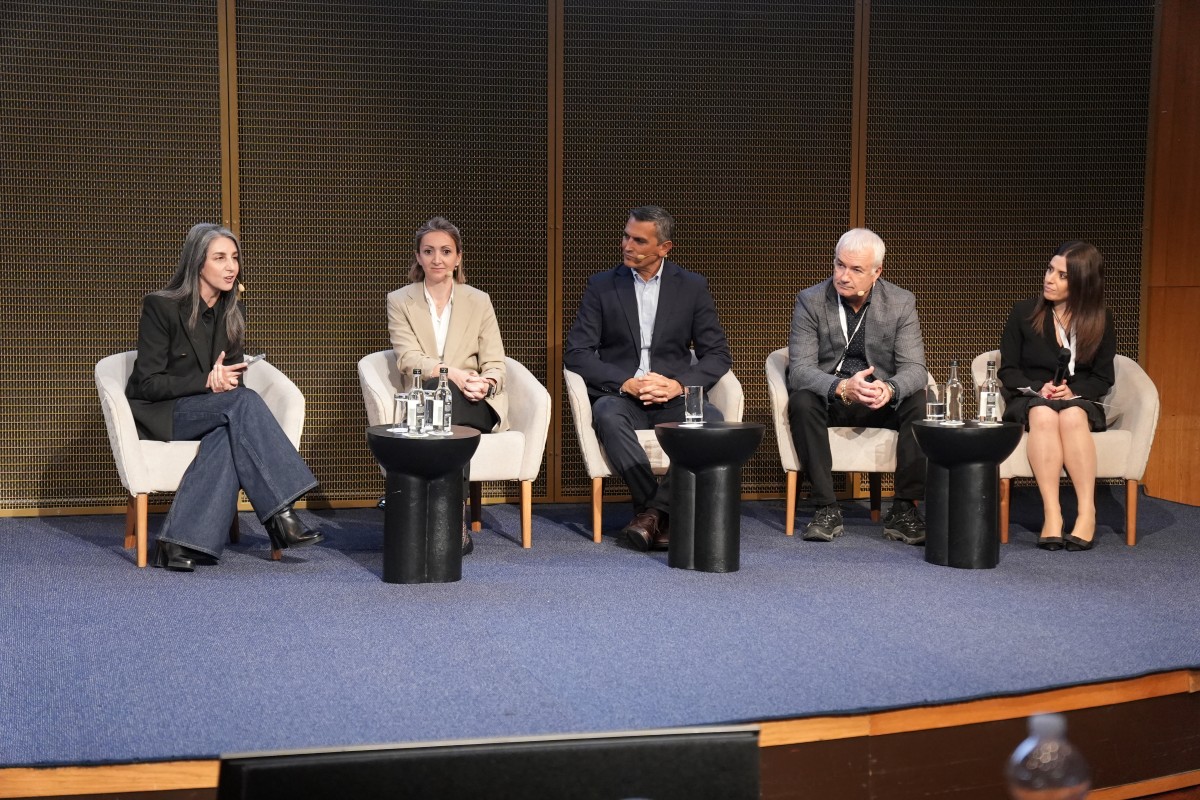
At the Hygeia Conference last week, hosted by Working Town and Richmond Foundation, some powerful truths about leadership and employee retention were revealed:
- 65 per cent of staff leave their jobs because of bad leaders
- Employees experience more stress from conflicts with their managers than from heavy workloads
- 70 per cent of workplace conflict involves management at some level
These facts, shared by Daniela Bitar, CEO of the Richmond Foundation, set the stage for a compelling panel discussion that I had the opportunity to attend. The conversation revolved around a powerful idea: People don’t leave jobs, they leave leaders.
The panel featured insightful contributions from Ann Bugeja, Partner at GVZH Advocates, Antonello Gauci, CEO at Inspire Foundation, Martin Richards, Kidnap and Extortion Response Consultant, and Miriam Sultana, Director of Advisory at PKF Malta.
The leadership storm: What managers unintentionally create
Ms Bitar posed a powerful question: What storms do managers unintentionally create?
Antonello Gauci emphasised that leadership sets the tone for the entire workplace. When employees don’t feel valued, supported, or appreciated by their leaders, it creates a culture of fear and disengagement. This lack of safety triggers many of the workplace conflicts and dissatisfaction that lead to high turnover.

Martin Richards added that sometimes “good leaders” may simply be in the wrong roles.
This highlights the importance of adaptability and understanding in leadership positions. Mr Gauci stressed that successful leaders need to be present, adaptable, and able to identify and manage tensions within their teams by understanding each member’s strengths and weaknesses.
Clarity, communication and connection: Tools for conflict resolution
Clear communication and transparency were recurring themes. Mr Gauci noted that many workplace conflicts stem from misunderstandings, often rooted in personal or external stressors rather than work itself.
Being close to the team, understanding their challenges and maintaining open lines of communication can significantly reduce conflict.
Miriam Sultana emphasised the importance of focusing on the actual problem instead of personalising conflicts. She also highlighted the value of building personal connections with team members, from simple gestures like checking in on their wellbeing to recognising their contributions with small acts of kindness.
The power and responsibility of leadership
Daniela reiterated the heavy responsibility leaders carry, especially given that 70 per cent of conflicts involve management. Ann Bugeja reminded us that leaders don’t need to be perfect, the key is to appreciate and embrace differences within the team and not expect everyone to work the same way.
Mr Gauci underscored the importance of identifying each team member’s unique personality and strengths to set them up for success. This personalised approach not only fosters growth but also helps the entire team work better together.
Creating a culture where people want to stay
Antonello Gauci concluded with a reminder that people stay at organisations because of their leaders: the human connection and environment they create matter more than ever. Martin Richards added that leadership is a continual learning process and that leaders should welcome feedback from their teams to grow and improve.
From the insightful discussion at The Hygeia Conference, it’s clear that the role of leadership in employee retention is pivotal. Organisations that invest in empathetic, adaptive, and transparent leadership create workplaces where people feel safe, valued, and motivated to stay.
Featured Images: Left to right - Daniela Bitar, Ann Bugeja, Antonello Gauci, Martin Richards and Miriam Sultana / Jonathan Mercieca / Richmond Foundation


Related
‘Tourism industry, like every other commercial activity, must be managed’ – MHRA President
'Perhaps what is now needed is clarity as to where Government wishes to see the industry,' Mr Zahra said.
Ending the year in good company at The Phoenicia Malta
The Phoenicia Malta’s selection of meeting spaces and service excellence set the scene to close the quarter – and the ...
Charlton Falzon Cascun appointed LESA CEO
He had served in the Armed Forces of Malta and the Police Force for a number of years.
‘Final piece of the jigsaw’ – Malta Film Commissioner on land-sea super stage
A new tender is seeking a major redevelopment of the Kalkara film studios.
