



After years of mounting losses and financial strain, the issuer Mediterranean Maritime Hub’s (MMH) bonds is teetering on the brink of default, though a recent development involving a potential investor buyout may offer a last-minute save.
Still, the situation has raised pressing questions for investors and financial professionals alike: What happens if a bond issuer fails to repay on time? What protections exist for bondholders? Can the average investor truly understand what they’re committing to when faced with a 135-page prospectus? And how robust is Malta’s legal and financial framework when it comes to managing defaults?
Speaking to MaltaCEOs.mt in his personal professional capacity, Paul Bonello, Managing Director at Finco Treasury Management Limited, shares his perspective on the implications of a bond default.
Most investors don’t read or understand the prospectus
Despite the importance of the bond prospectus, most investors in Malta struggle to fully understand what they are signing up for, according to Mr Bonello.
“No, most Maltese investors do not,” he said when asked whether the average person reads or understand the lengthy and often complex documents. He added that even those with tertiary education can find the content difficult to grasp.
According to Mr Bonello, many investors focus almost entirely on the coupon rate – the interest they will receive – while overlooking the underlying risks and legal terms in the document. Key terms such as “subordinated” or “secured” are often misunderstood or taken at face value, without a deeper look into what they actually mean.
This lack of understanding, he suggested, leaves many investors exposed to risks they may not be aware of, especially in cases where the language used in the prospectus is highly technical or ambiguous.
‘A psychological impact’
If a bond issuer fails to repay on time, the consequences go beyond financial loss.
“A default such as this would constitute a strong loss of investor confidence,” Mr Bonello noted, pointing to the wider implications for market sentiment.
As the first default of a bond listed on the Malta Stock Exchange, the psychological effect on retail investors – many of whom consider local bonds to be low-risk – could be significant. According to Mr Bonello, this would challenge long-held assumptions about the safety of such instruments and may discourage future investor participation in the market.
Protective frameworks
At present, investors have limited legal protection if a bond issuer defaults in Malta. “Unfortunately, from a legal standpoint, there is currently nothing that can be done,” Mr Bonello said, adding that insolvencies are an inevitable part of the market.
He argued, however, that stronger regulatory safeguards could reduce risk and improve confidence in the local bond market.
"One possible measure is to require mandatorily the presence of a security trustee even in circumstances of unsecured bonds. The role of the trustee would be to ensure that bond proceeds are received directly by it and that the proceeds are used strictly according to the purposes set out in the prospectus," he said.
Mr Bonello was also critical of the listing process, highlighting a lack of investor protection: “At the time of vetting and approval, the listing authority is typically bombarded by financial and legal consultants acting for the issuer, whilst there is no one acting for the financial consumer to ensure balance.”
Responsibility and regulation – is it being enforced?
Asked about the responsibility financial service providers have, Mr Bonello cited a clear legal duty to ensure that any investment advice they offer is suitable to the individual client’s needs.
“Licensed investment providers have an onerous responsibility at law,” Mr Bonello explained, noting that recommendations must reflect an investor’s personal circumstances, objectives, risk appetite, knowledge, and experience.
This obligation is governed by strict regulatory standards, including the EU’s Markets in Financial Instruments Directive (MiFID II), which has been transposed into Maltese law through the MFSA. While the framework itself is robust, Mr Bonello pointed out that its effectiveness depends heavily on proper enforcement by the regulator.
He also warned that some providers still abuse of the execution-only mandate, when, in a bid for the service providers to avoid responsibility for bad advice, certain advisory transactions are formally labelled as if they were non-advisory.
"Whilst this practice is far from being as rampant as it was in the years before – the ordinary courts and the arbiter for financial services clamped down on this abusive practice – this has not died down altogether," he stressed.
"The investor needs to be intelligent and ensure that transactions considered execution-only are genuinely the exclusive result of investor’s instructions," he concluded.




Fenech & Fenech Advocates appoints Antonio Ghio as Chief Innovation and Technology Officer
Antonio Ghio is an IT Law expert and has been with the firm for the past 25 years.
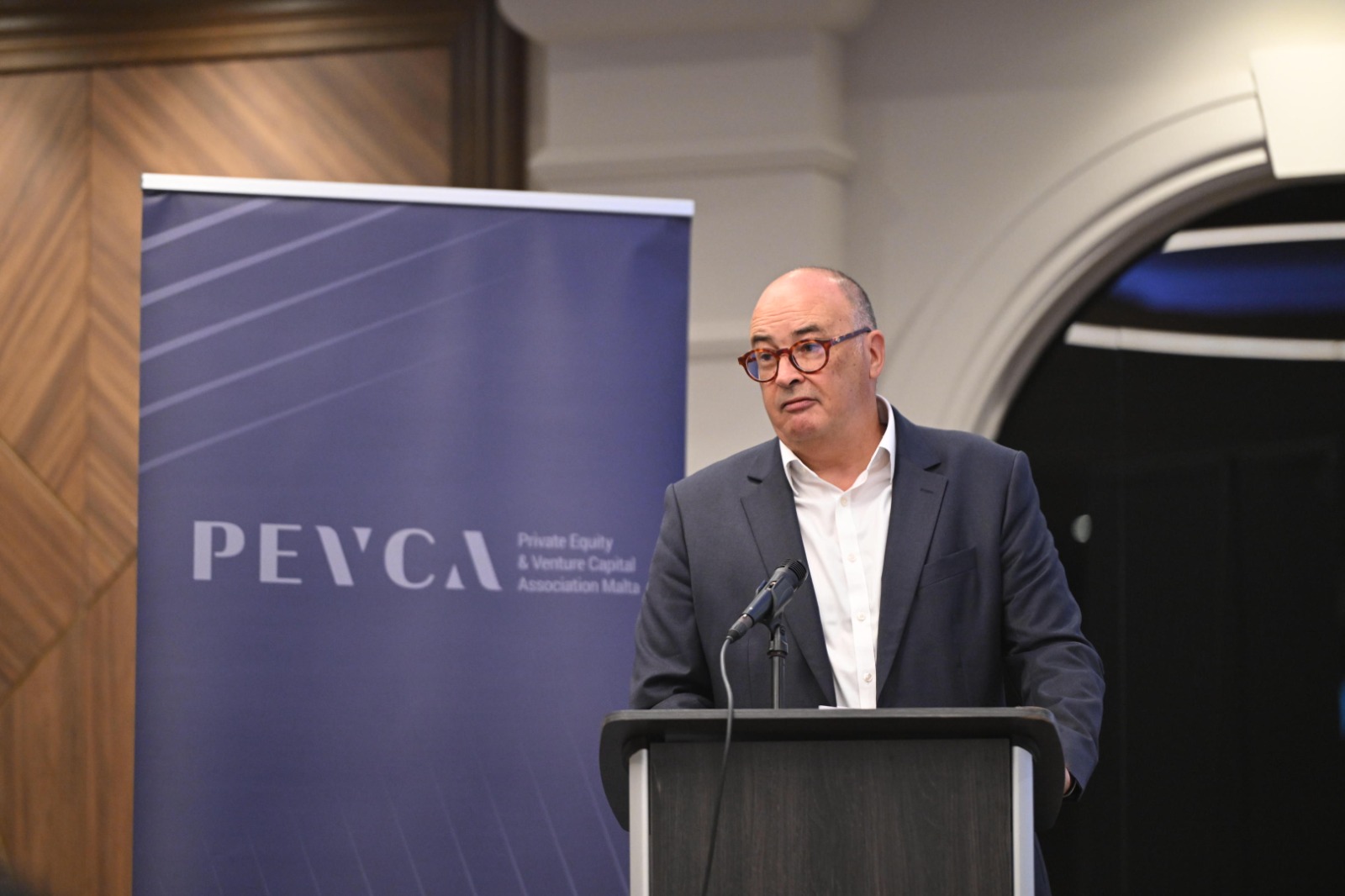
‘Considerable potential’ for Malta to develop as a private equity and venture capital hub – PEVCA head
He said that private equity and venture capital play a vital role in modern, innovation-driven economies.

Nancy Pavlaki appointed Chief Financial Officer at Ramla Bay Resort
Prior to taking up the post, she worked in a number of financial positions in the hospitality industry.

Kyle Antoni Pace Cumbo appointed Chief Commercial Officer at Iniala
'I’m incredibly excited about what comes next,' he said.
