


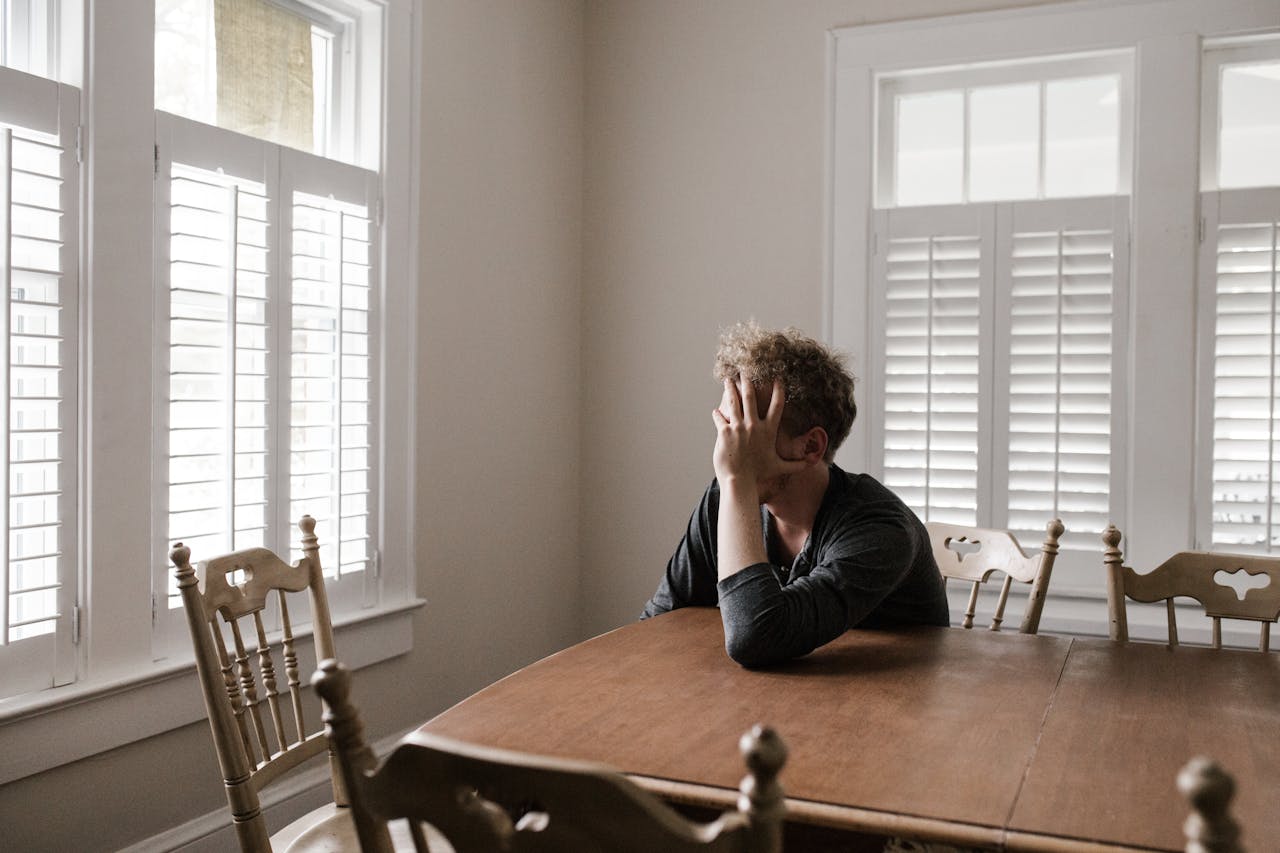
A recent study by career platform Zety suggests that romantic breakups are quietly affecting workplace attendance, focus and morale – with employees already taking time off to recover, albeit unofficially.
The Heartbreak Leave Report, based on a survey of 1,020 US employees conducted in January 2026, found that one in three workers have called in sick or used vacation leave after a breakup. While the idea of formal “heartbreak leave” may sound unconventional, the data indicates that emotional strain from personal relationships is already spilling into the workplace.
For executives and HR leaders, the question is less about whether heartbreak affects work, and more about how organisations respond when it does.
Breakups are already disrupting work, in the US at least.
According to the survey:
- 43 per cent said a breakup negatively affected their productivity or ability to focus
- 38 per cent reported lower motivation and engagement
- 33 per cent took sick leave or paid time off specifically to recover
- 25 per cent said breakups affected their attendance or punctuality
- 23 per cent felt their decision-making or problem-solving was impaired
- 17 per cent said heartbreak strained relationships with colleagues or managers
These figures suggest that emotional distress does not remain at home. It can influence performance, collaboration and workplace dynamics in measurable ways.
The likelihood of taking time off after a breakup varied across demographics:
- 36 per cent of men reported taking time off, compared to 28 per cent of women
- 47 per cent of Gen Z workers said they had taken time off after a breakup
- 45 per cent of Millennials, 31 per cent of Gen X and 11 per cent of Baby Boomers reported the same
This indicates that younger employees, in particular, may be more willing to step away from work during periods of emotional stress.
One in three respondents felt employers should offer formal “heartbreak leave”, and 43 per cent said they would use it if available. However, 65 per cent said they would feel uncomfortable requesting such leave due to fear of judgement or negative consequences.
This highlights a tension familiar to many HR professionals – employees recognise the need for support, but workplace culture often discourages open discussion of emotional well-being unless it is framed as a medical issue.
How much time do employees say they need?
When asked how much time off is necessary to recover from a breakup:
- 33 per cent said one day
- 27 per cent said two days
- 22 per cent said three days
- 18 per cent said four or more days
The majority indicated that a short period of leave would be sufficient to regain focus.
Beyond paid time off, employees identified flexible arrangements as particularly helpful:
- 31 per cent said remote work days help most
- 31 per cent cited flexible hours
- 26 per cent preferred more privacy, such as fewer meetings or check-ins
- 23 per cent wanted adjusted deadlines or workload
This suggests that employers may not need to create a new leave category to address the issue. Flexibility and managerial awareness may achieve similar outcomes.
What this could mean for Maltese workplaces
While the survey reflects US data, the underlying issue is unlikely to be culturally unique. Maltese workplaces are increasingly discussing mental health, well-being policies and flexible work practices. Emotional strain following major life events – including bereavement, illness and family matters – is already recognised informally by many managers.
Romantic loss, however, remains largely unspoken, despite its potential impact on concentration, motivation and attendance.
Rather than introducing formal “heartbreak leave”, organisations in Malta may wish to consider whether existing policies – such as flexible work, personal leave, remote work options and supportive management practices – are sufficiently equipped to accommodate employees during emotionally challenging periods.
In practice, the study points to a broader leadership question: Do managers create environments where employees feel safe asking for short-term flexibility without needing to justify it as a medical issue?
As workplaces continue to prioritise well-being and engagement, acknowledging the human realities that affect performance – even the unconventional ones – may become part of more mature, empathetic leadership.
‘I dreamed of moving to Malta 20 years ago’: iQrypto CEO
Quantum tech firm iQrypto is set to expand its operations to Malta.

Edmond Bonett returns to Manouche as CEO
'There is a lot to do – let’s get to work.'
Black Sea, Hormuz attacks on merchant ships ‘a breakdown of the international order’ – MMF Chair
Malta Flagged vessel M/V Chelsea-3 was struck by three drones whilst sailing in the Black Sea.
‘Growing number of British businesses looking to partner with Maltese firms’ – TradeMalta CEO
Tania Brown say British businesses increasingly seeking partnerships with Maltese firms.
